2024
Study on Cormorant Quality of Life and Rehabilitation
Birch, Maple, Charcoal, Beeswax, Twine
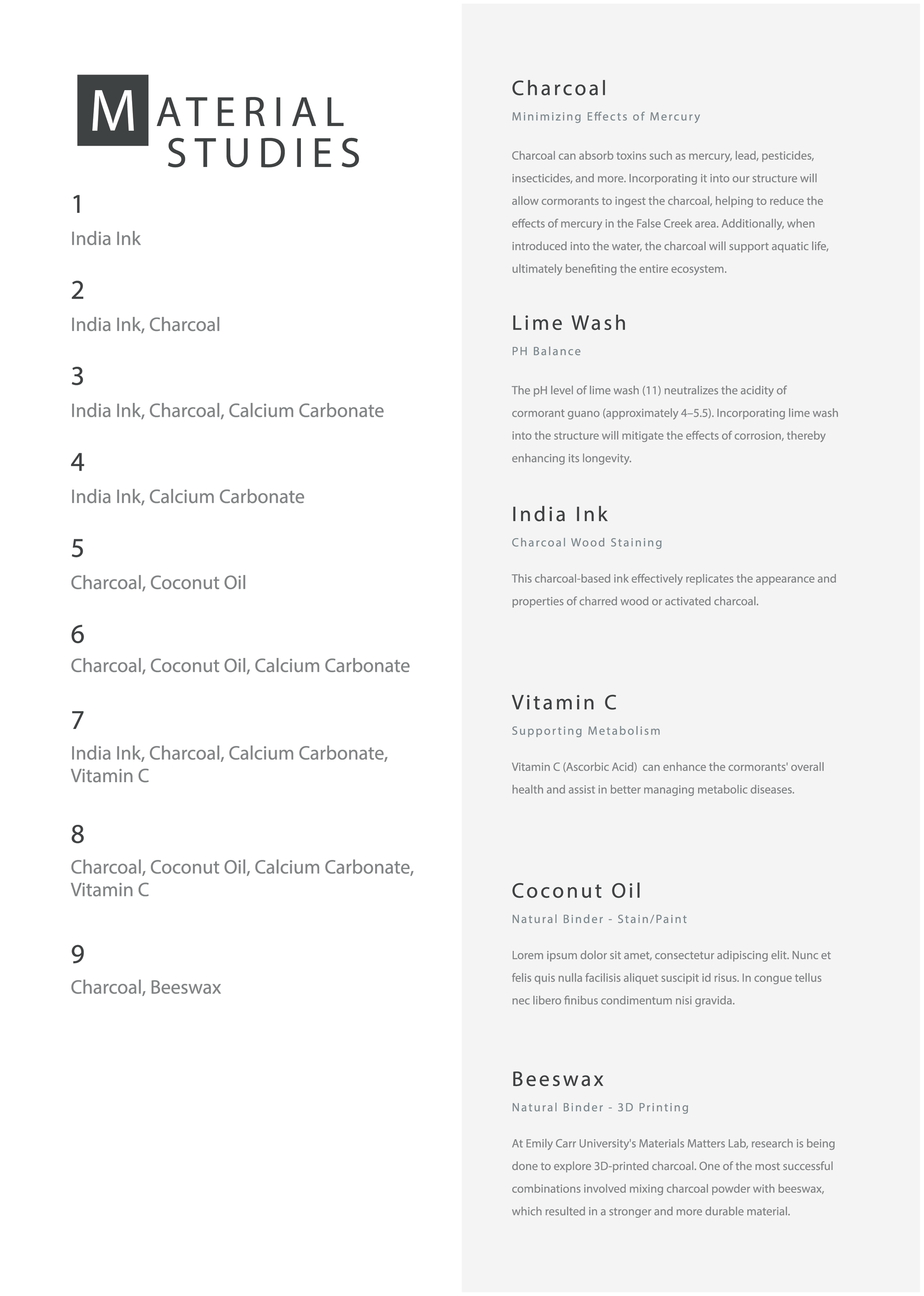
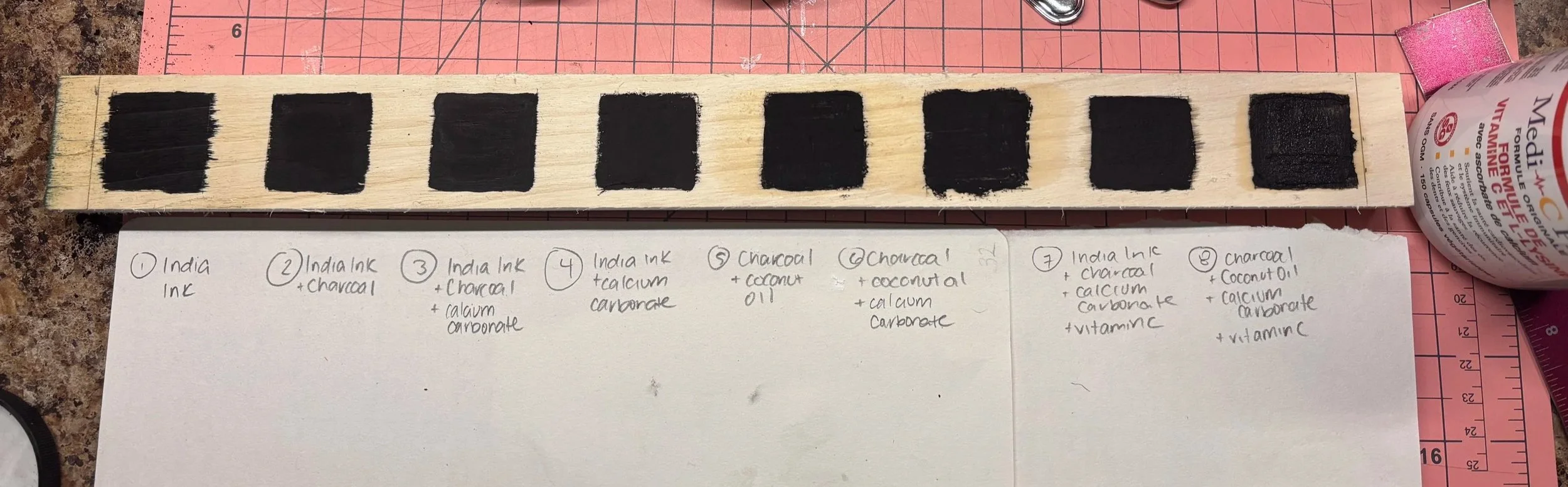
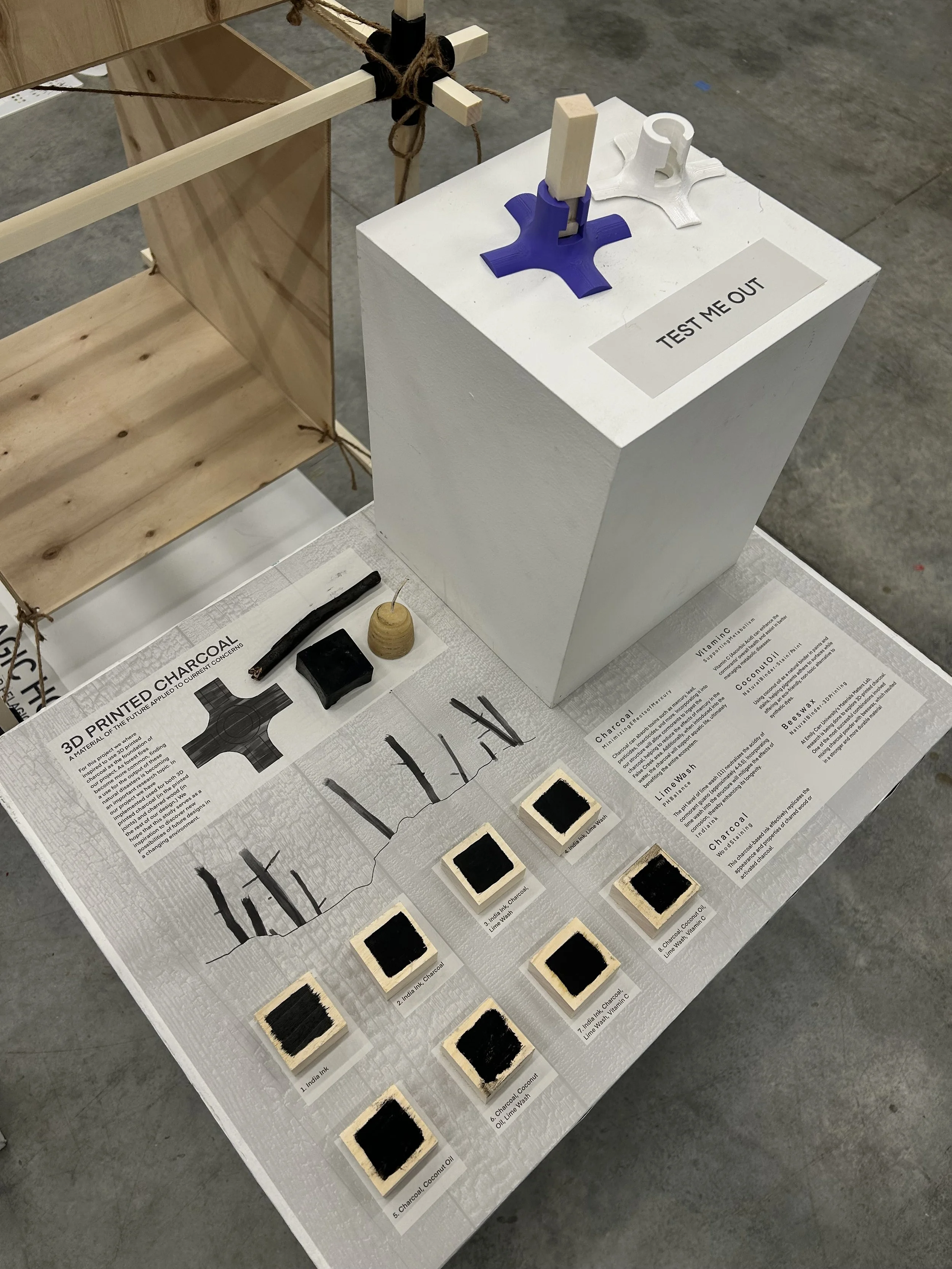
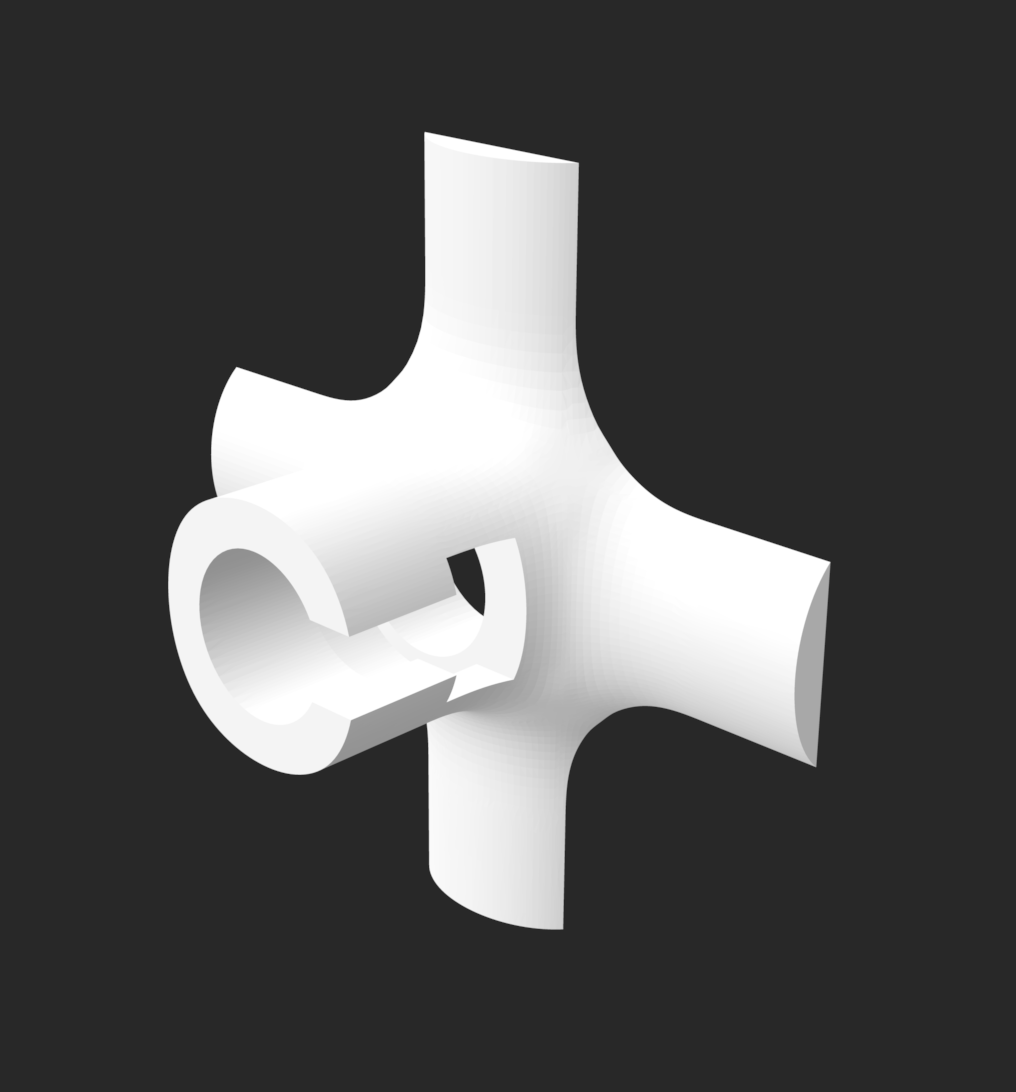
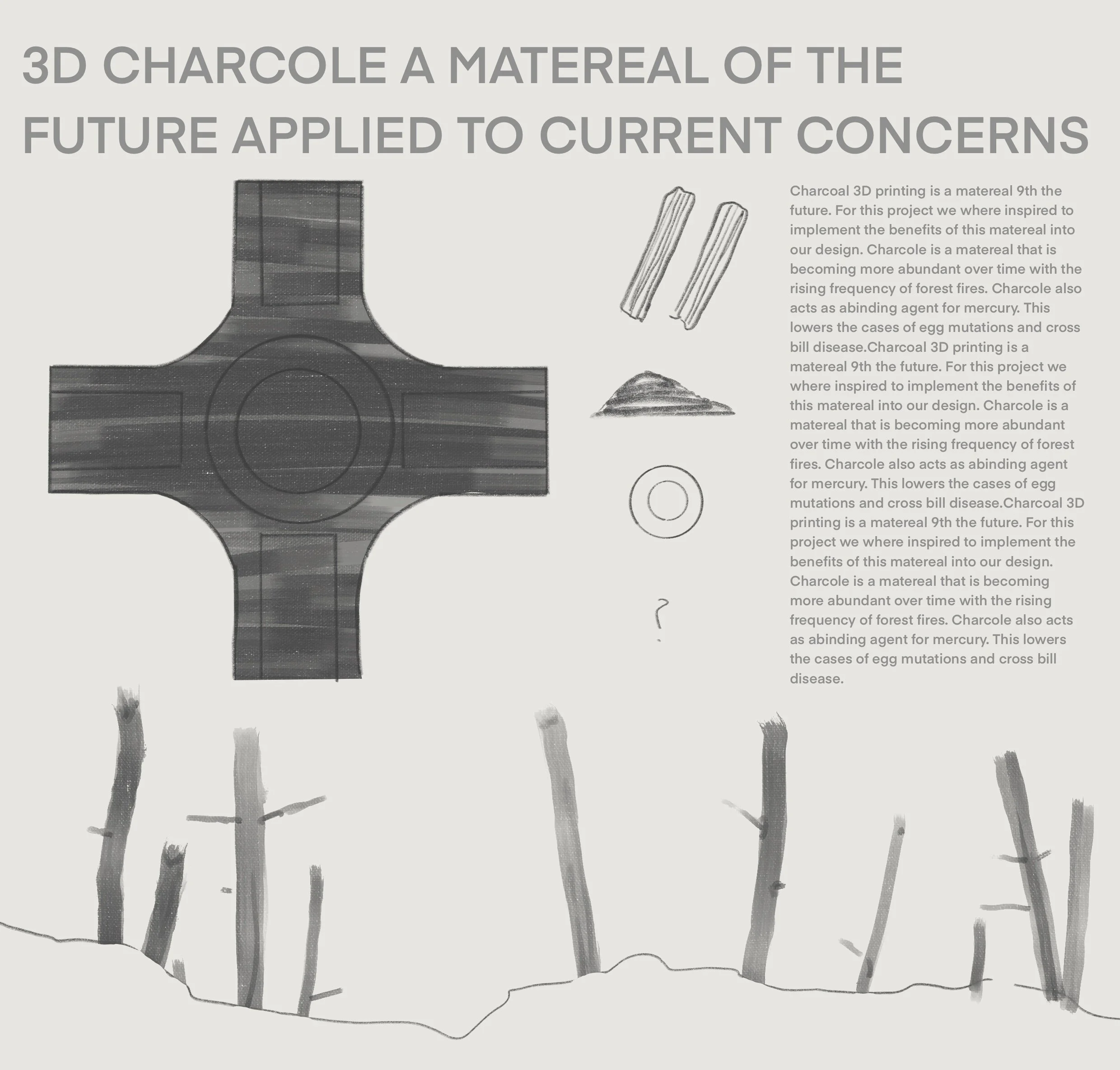
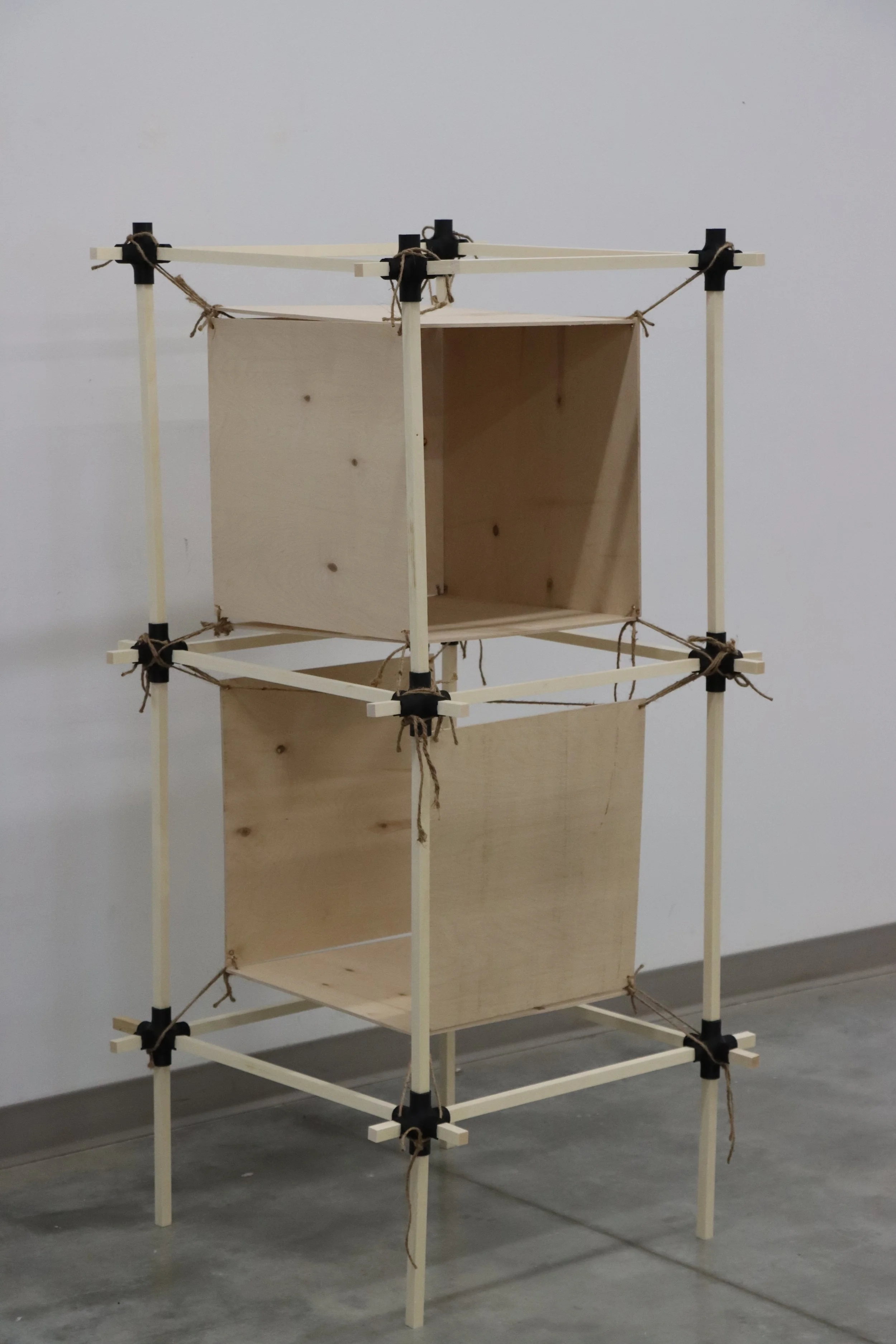
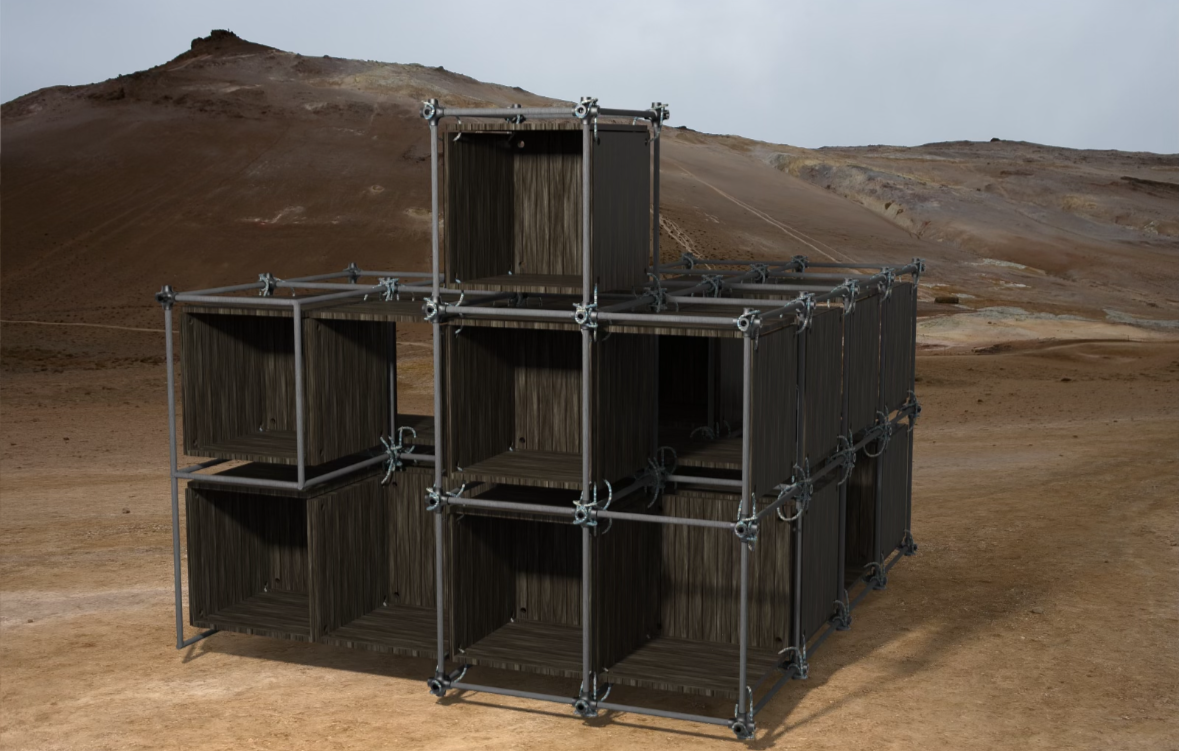
This project addressed the displacement of cormorants in Vancouver, whose habitats were affected by seawall construction and who now roost under local bridges. To support both the birds and the infrastructure, we explored material experimentation for modular 3D-printed joint pieces, testing combinations of beeswax, charcoal, and natural binders to identify durable and flexible options.
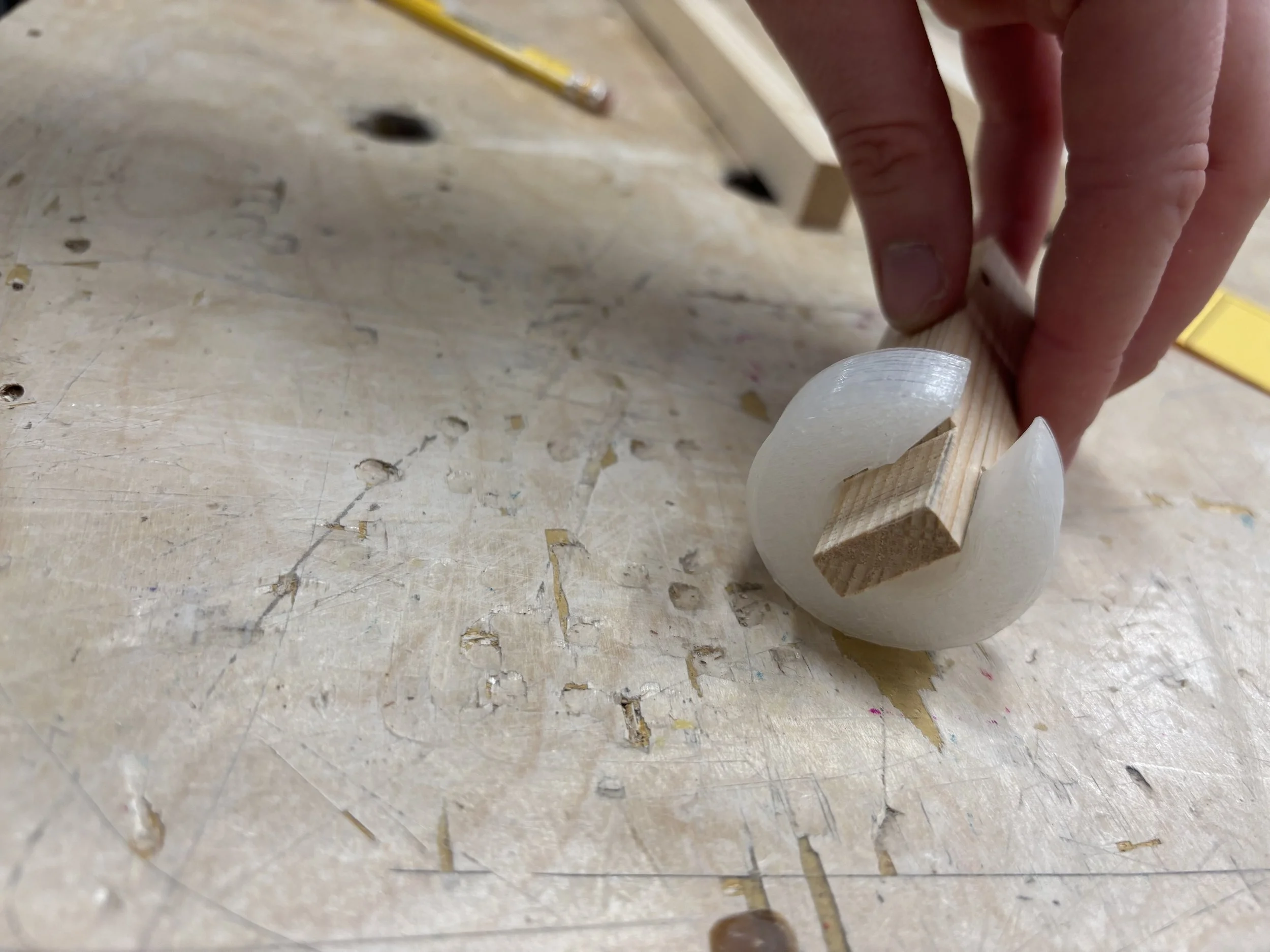
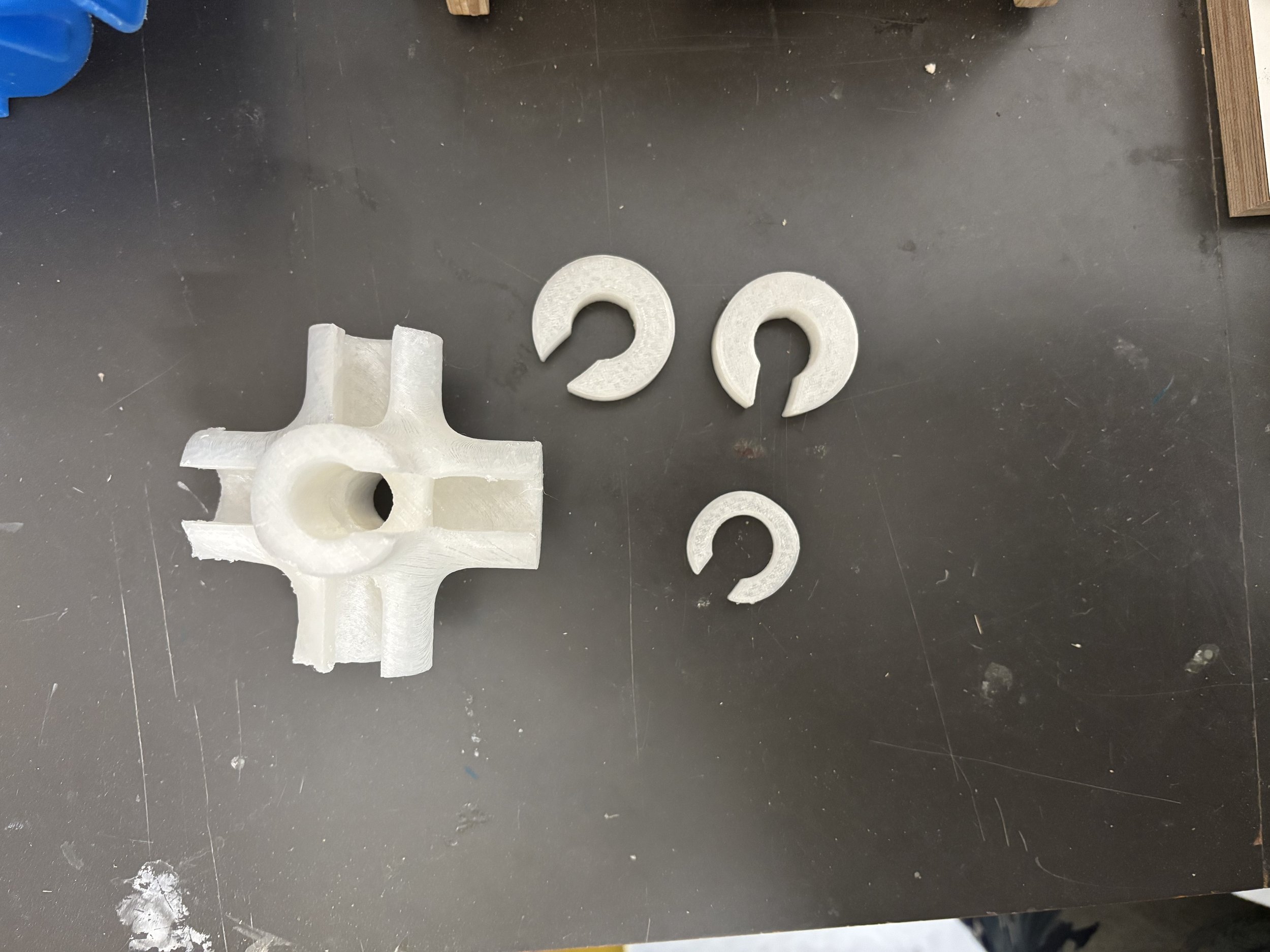
The resulting knock-down design allows each piece to be assembled, disassembled, and reconfigured without compromising the integrity of the structure, creating opportunities for creativity, adaptation, and ongoing experimentation. This project demonstrates how material exploration and modular design can respond to complex challenges while encouraging interaction and iterative problem-solving, principles directly aligned with playful, inventive design practices.
In partnership with Declan Roberts, Ashley D Kim and Matthew Situ
Cormorant
Habitat
Process
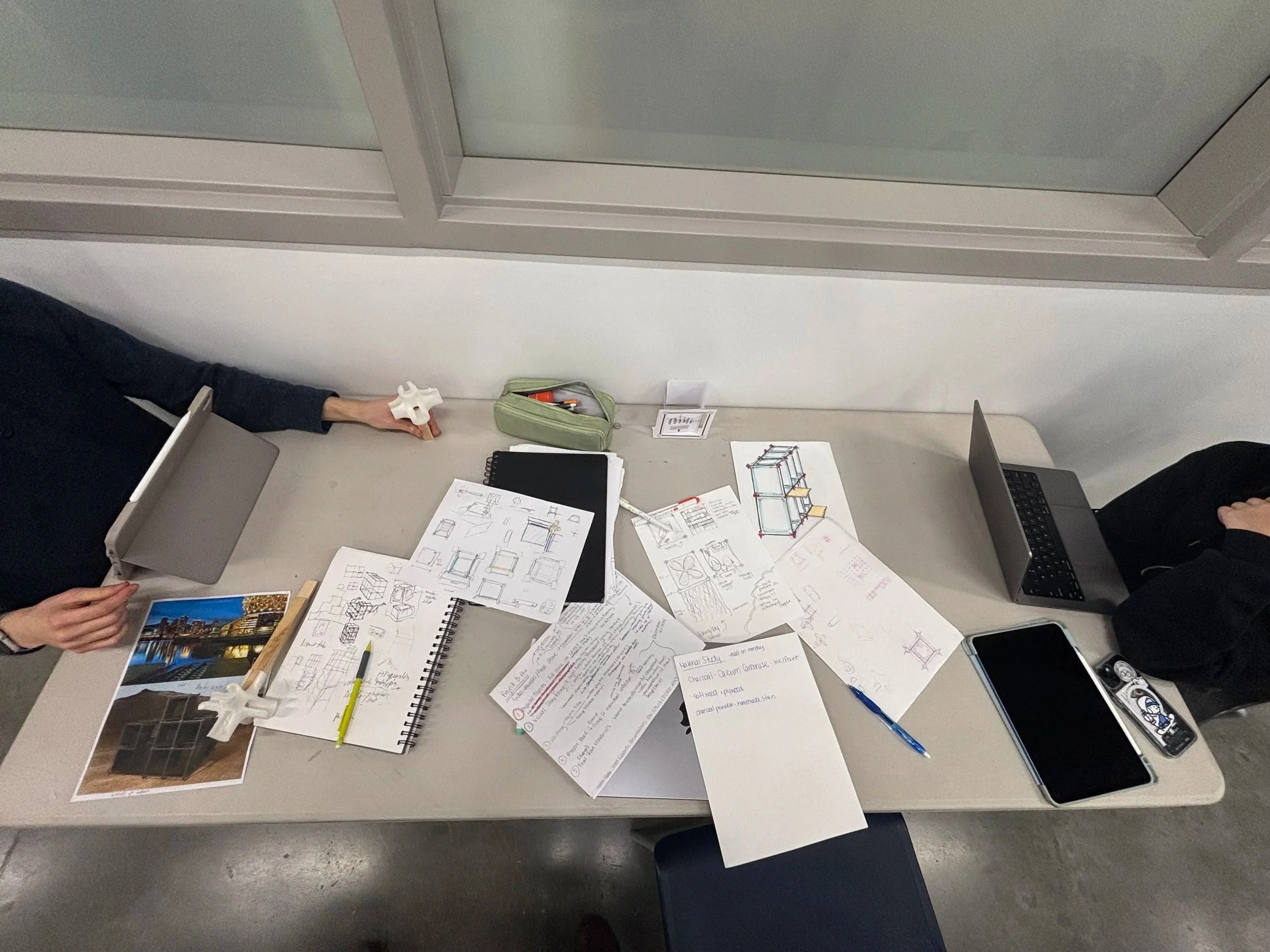
This project began with research on pelagic cormorants, False Creek, and the interconnectedness of ecosystems. We discovered that industrialization and the development of Vancouver caused major disruptions to the creek’s ecosystem. Many species are now affected by high levels of mercury, leading to defects in their young. This prompted us to consider not only our direct impact but also the cascading effects on other species and the environment. It raised important questions: How can we support cormorants while also benefiting the surrounding ecosystem? Or, how can we enhance the environment in which cormorants live to improve their overall health?

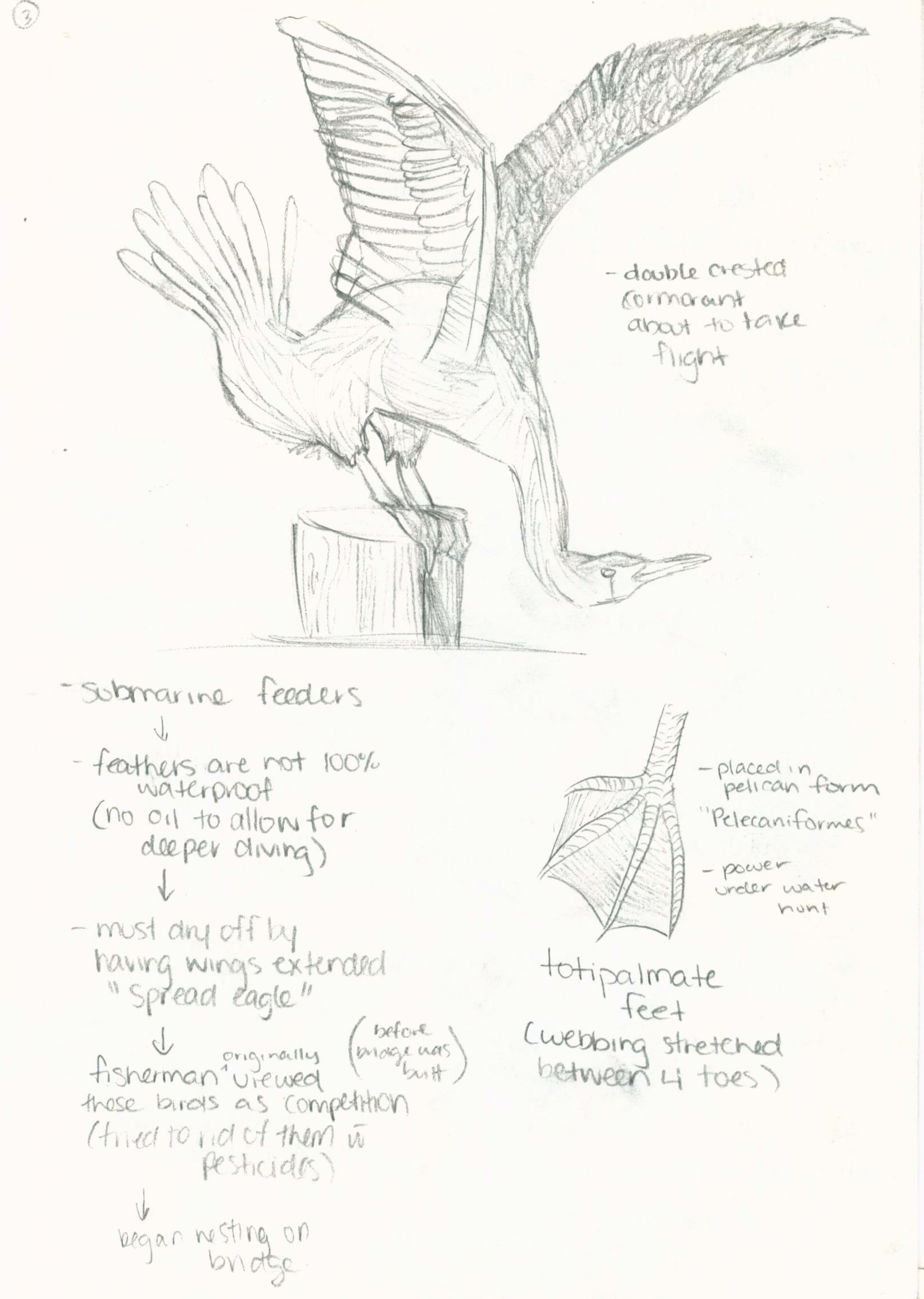
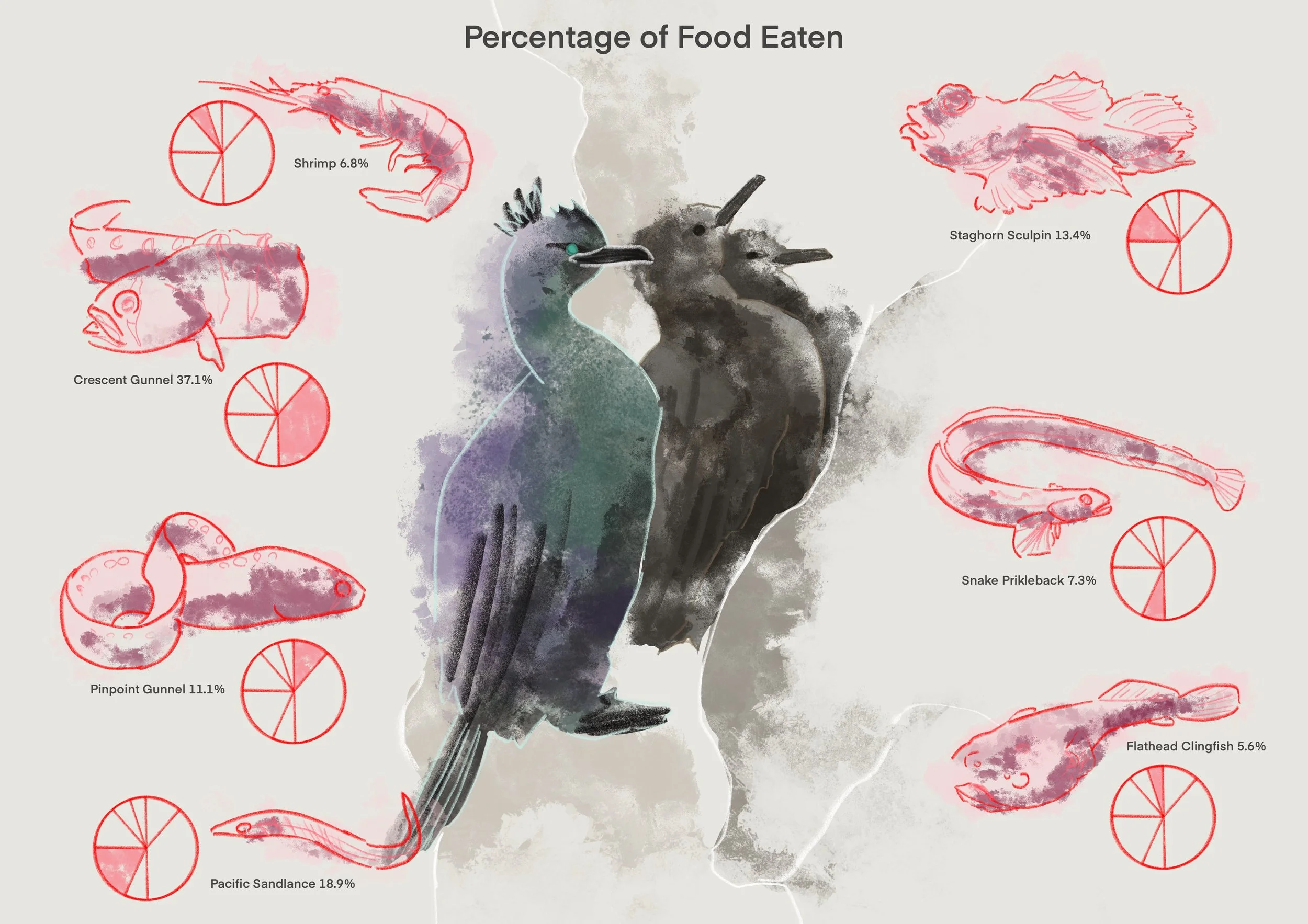
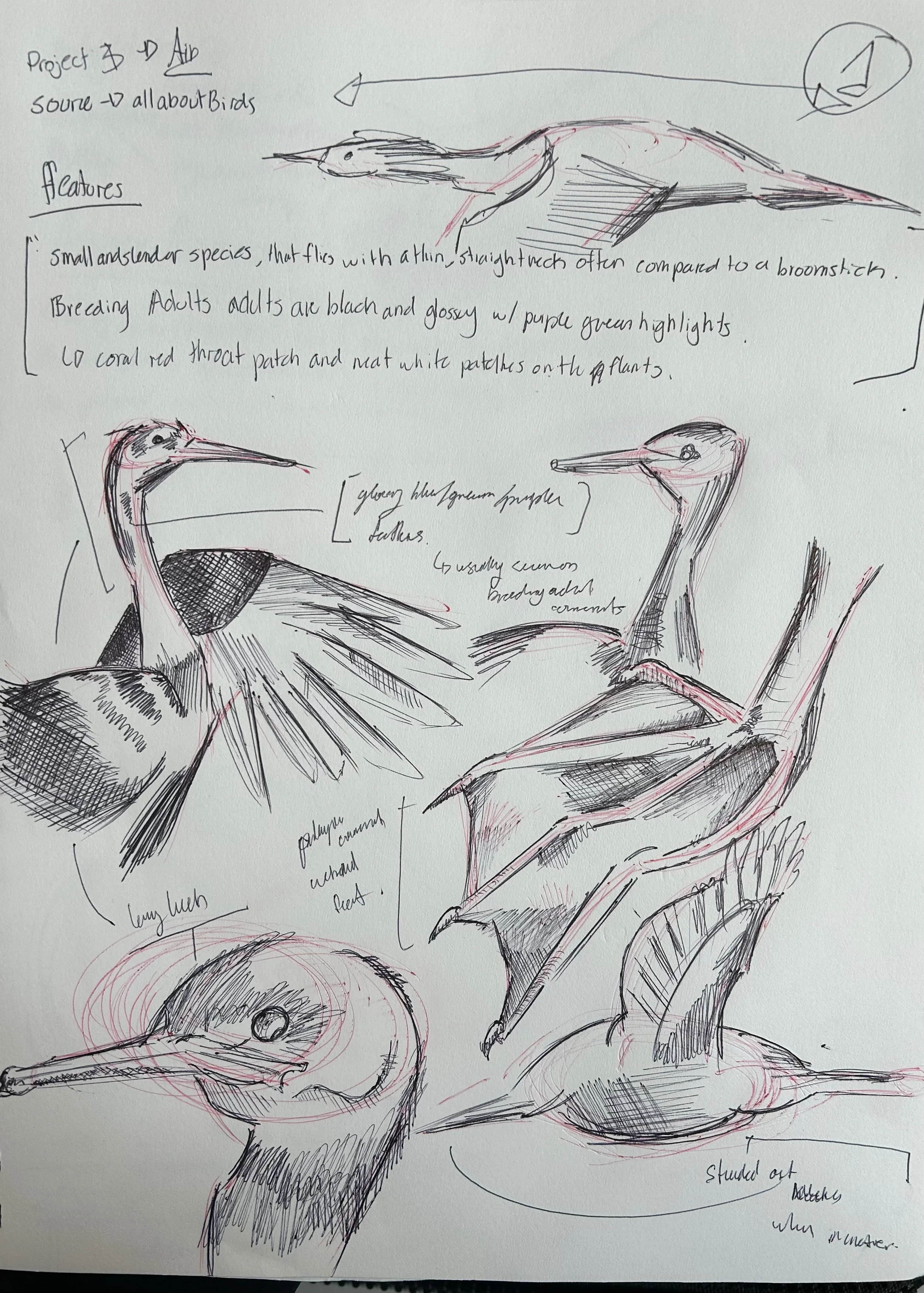
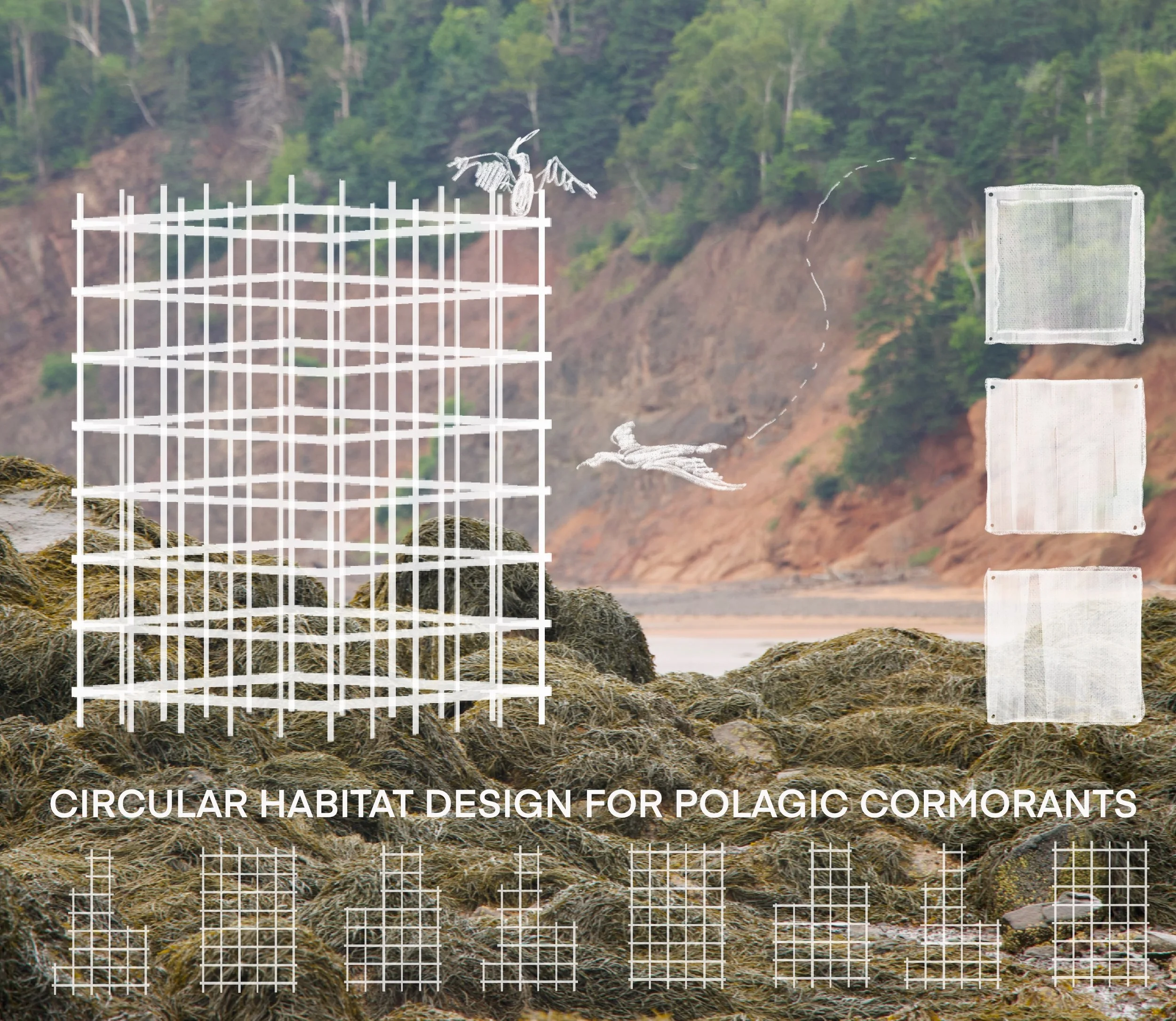
The construction of the seawall displaced pelagic cormorants from their original habitats, and they have since been nesting under the Burrard, Granville, and Cambie bridges. Their guano is corrosive to the bridge structures, so we decided to design a new home for them.
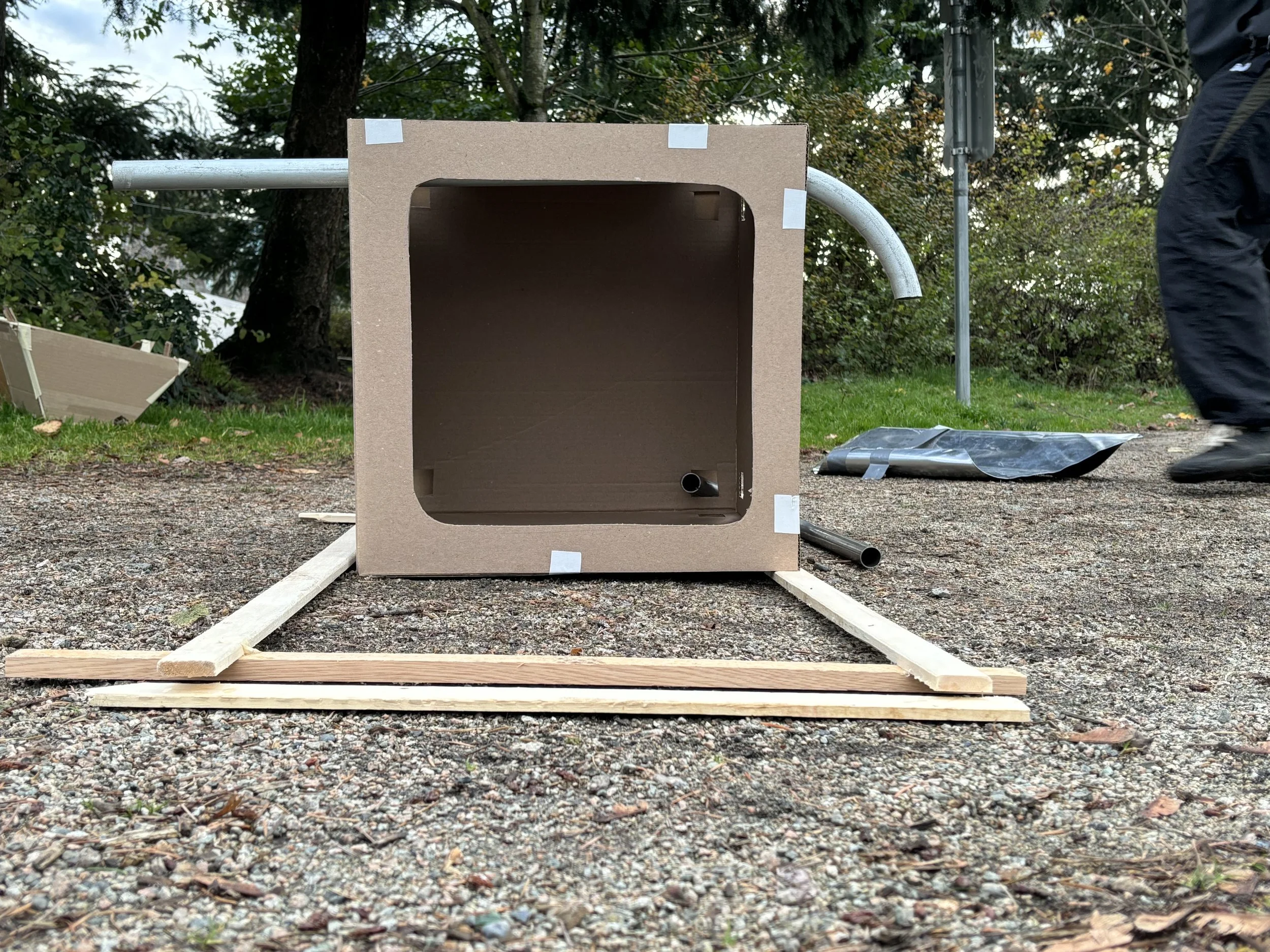
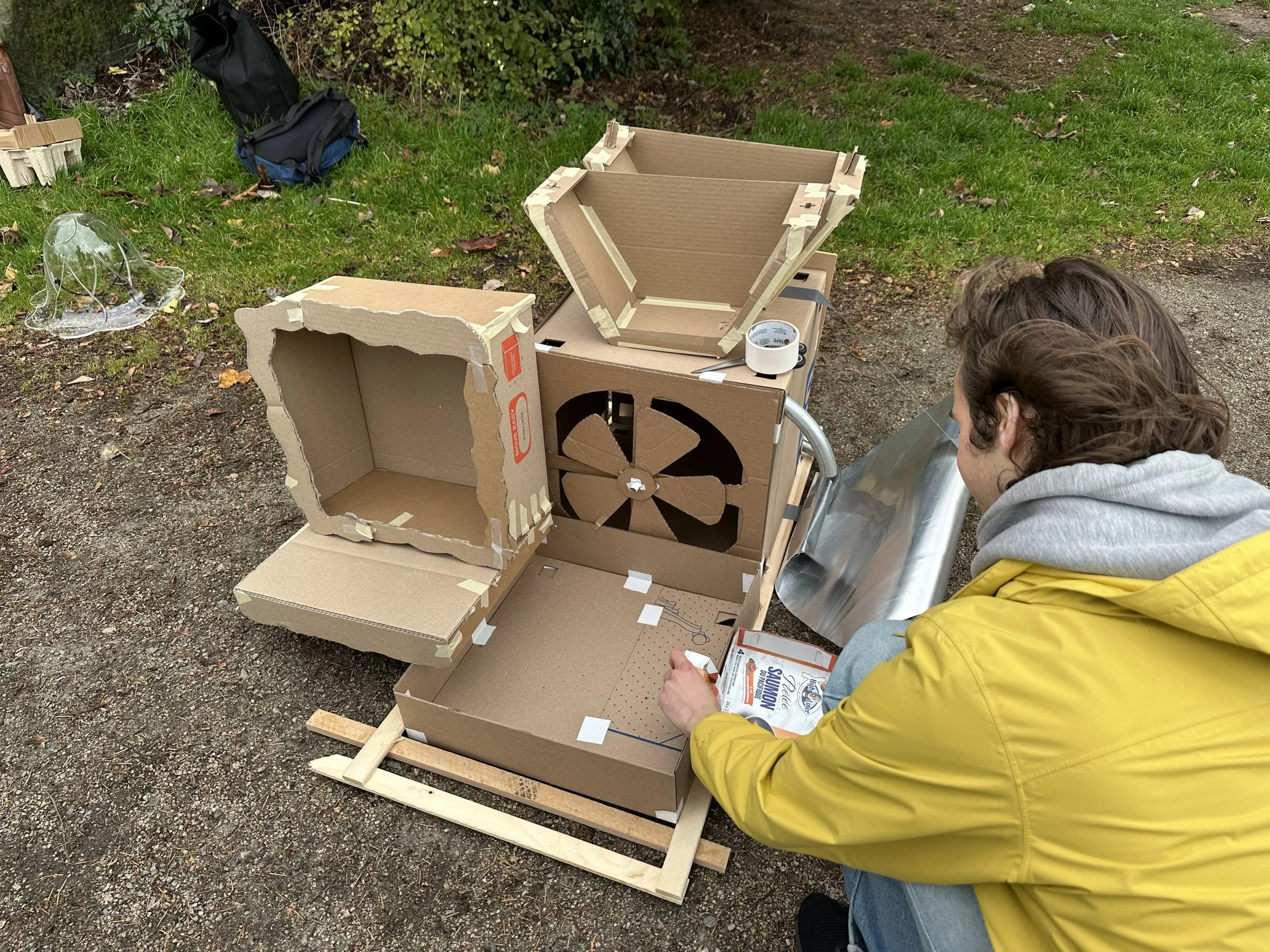
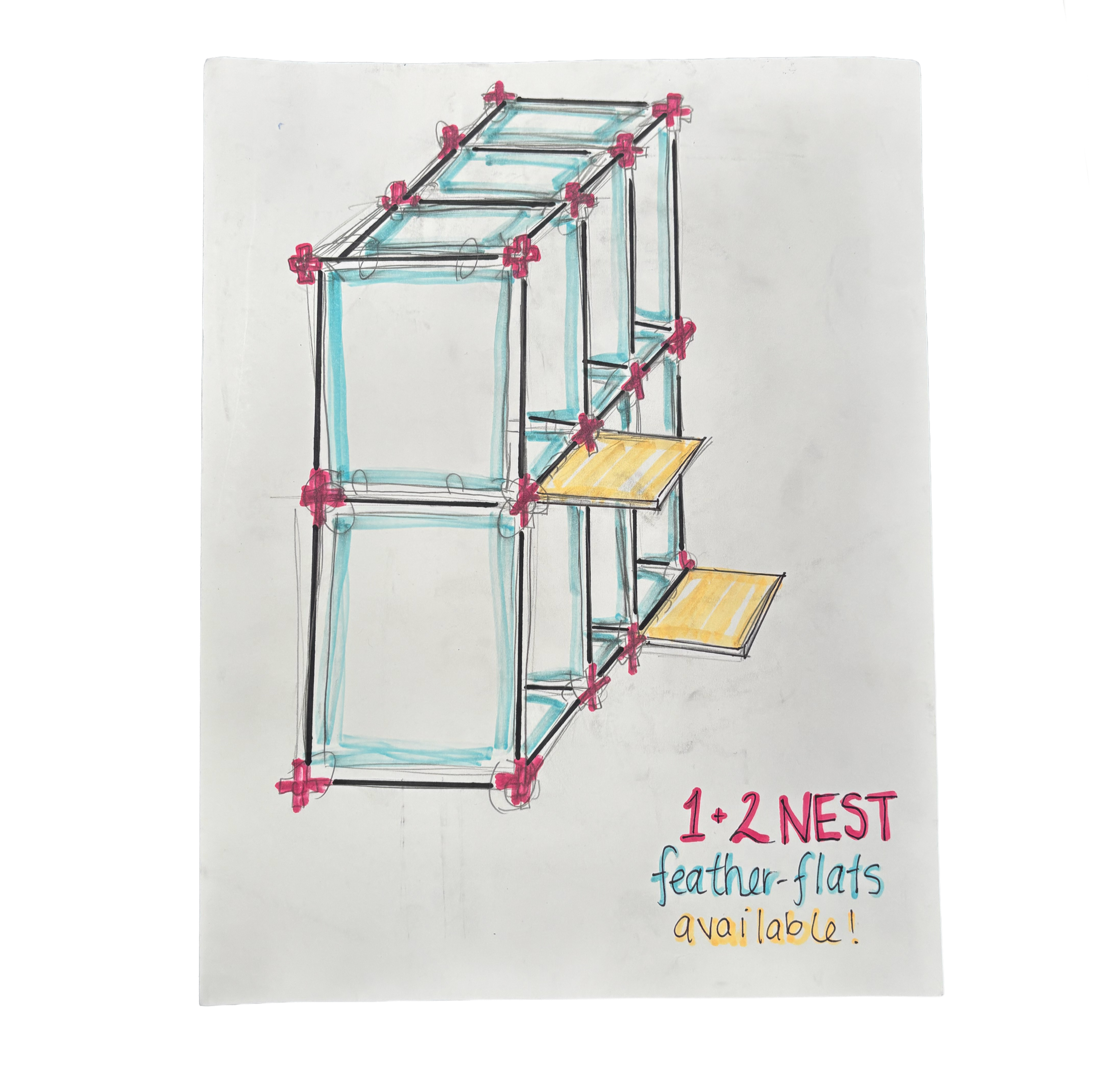
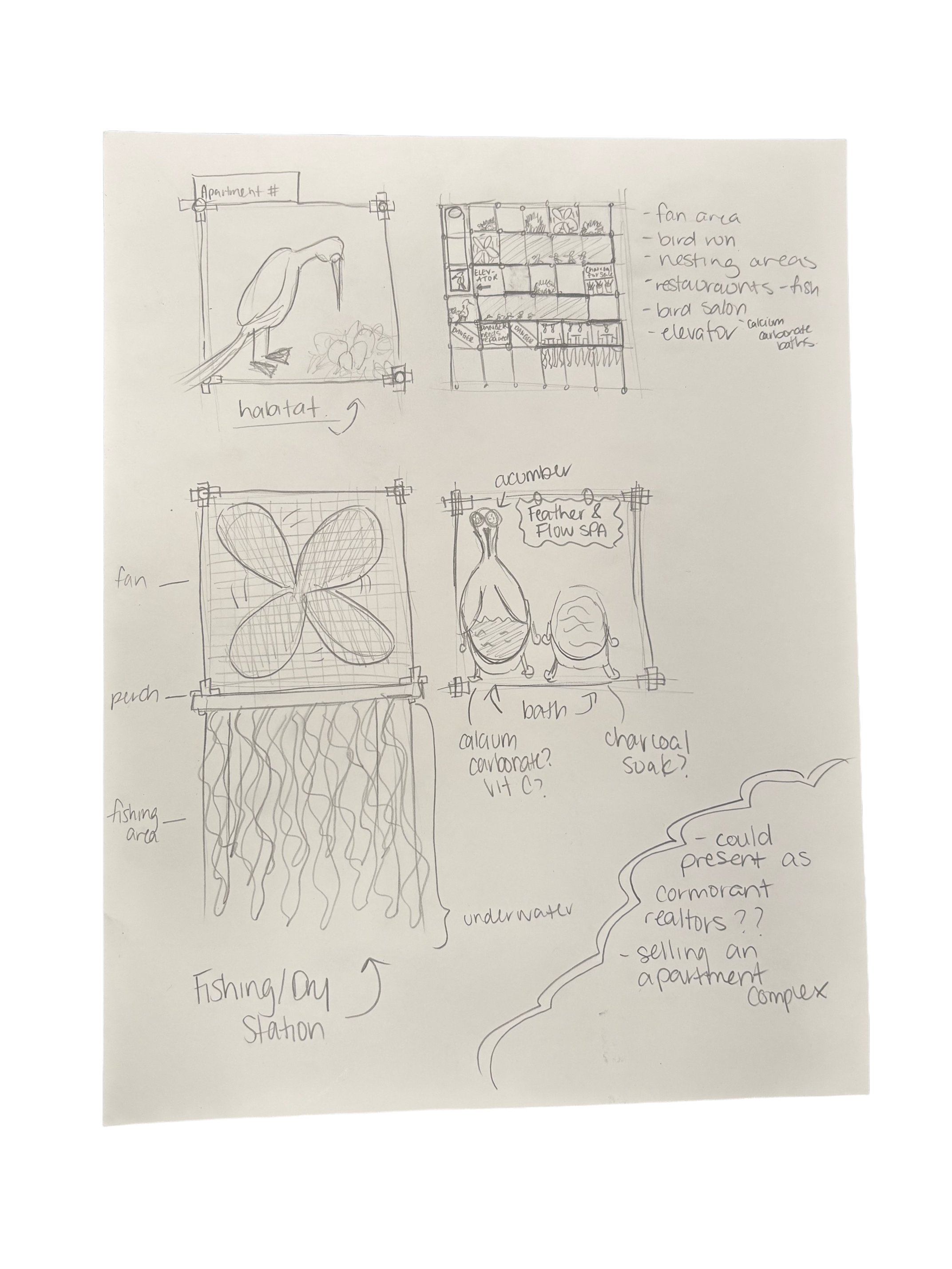
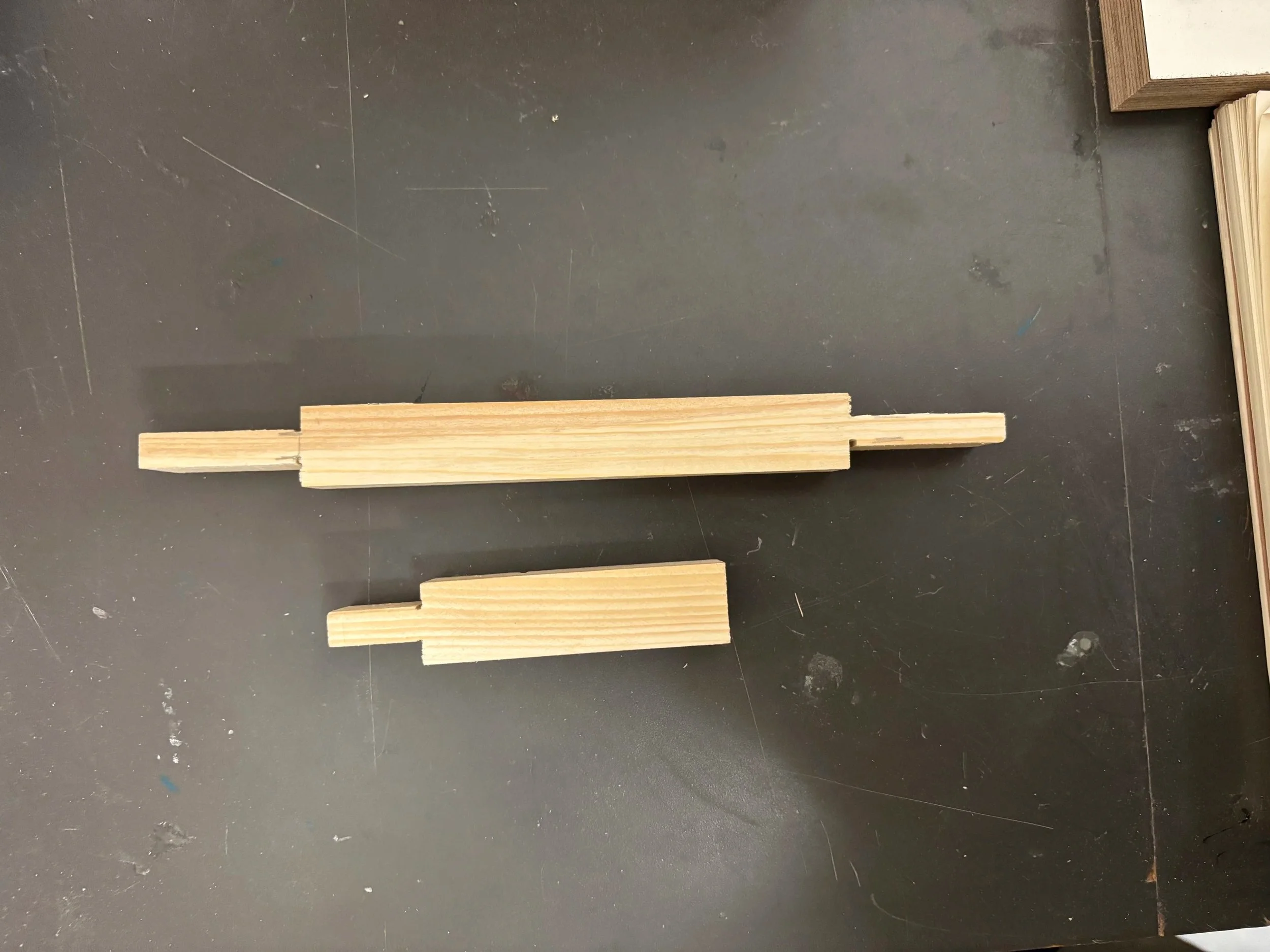
Our design is informed by our research and focuses on materials that are beneficial to both the cormorants and the surrounding environment, considering factors such as durability, environmental impact, and natural decay. We experimented with different types of joints and consulted the Emily Carr DESIS Lab about their recent work with 3D printing using charcoal.