Diloo’s Edge
2024
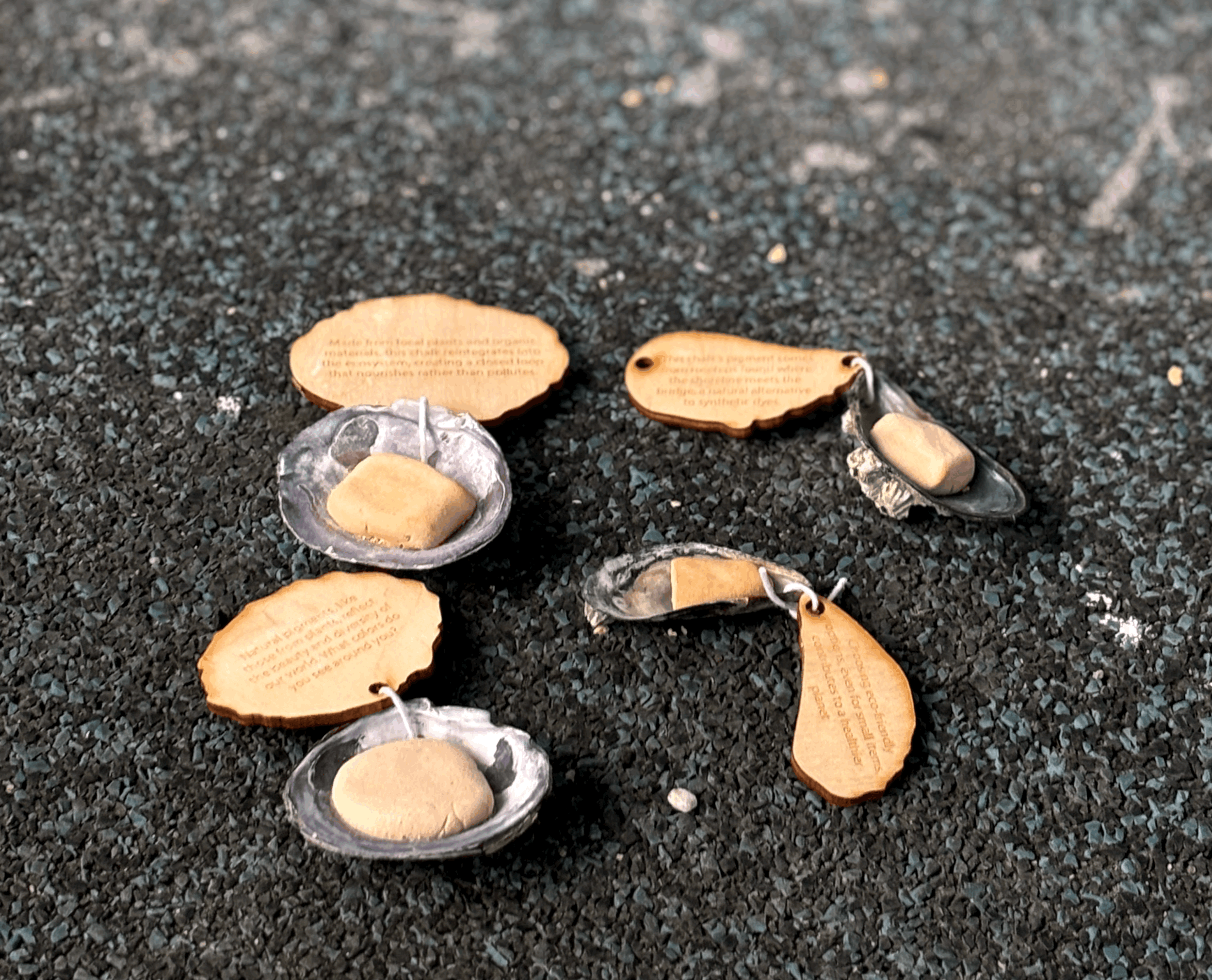
Rosehip Chalk
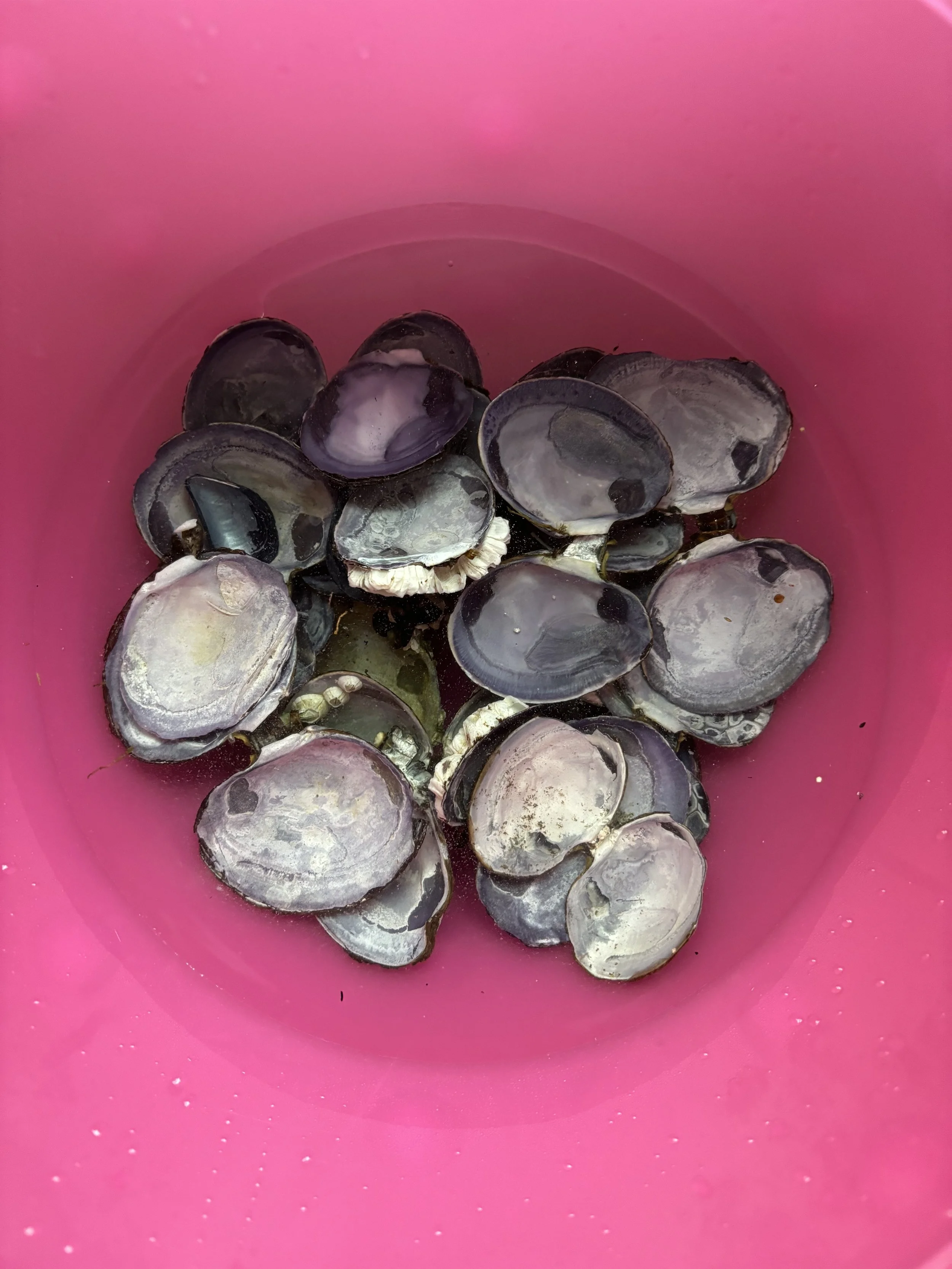
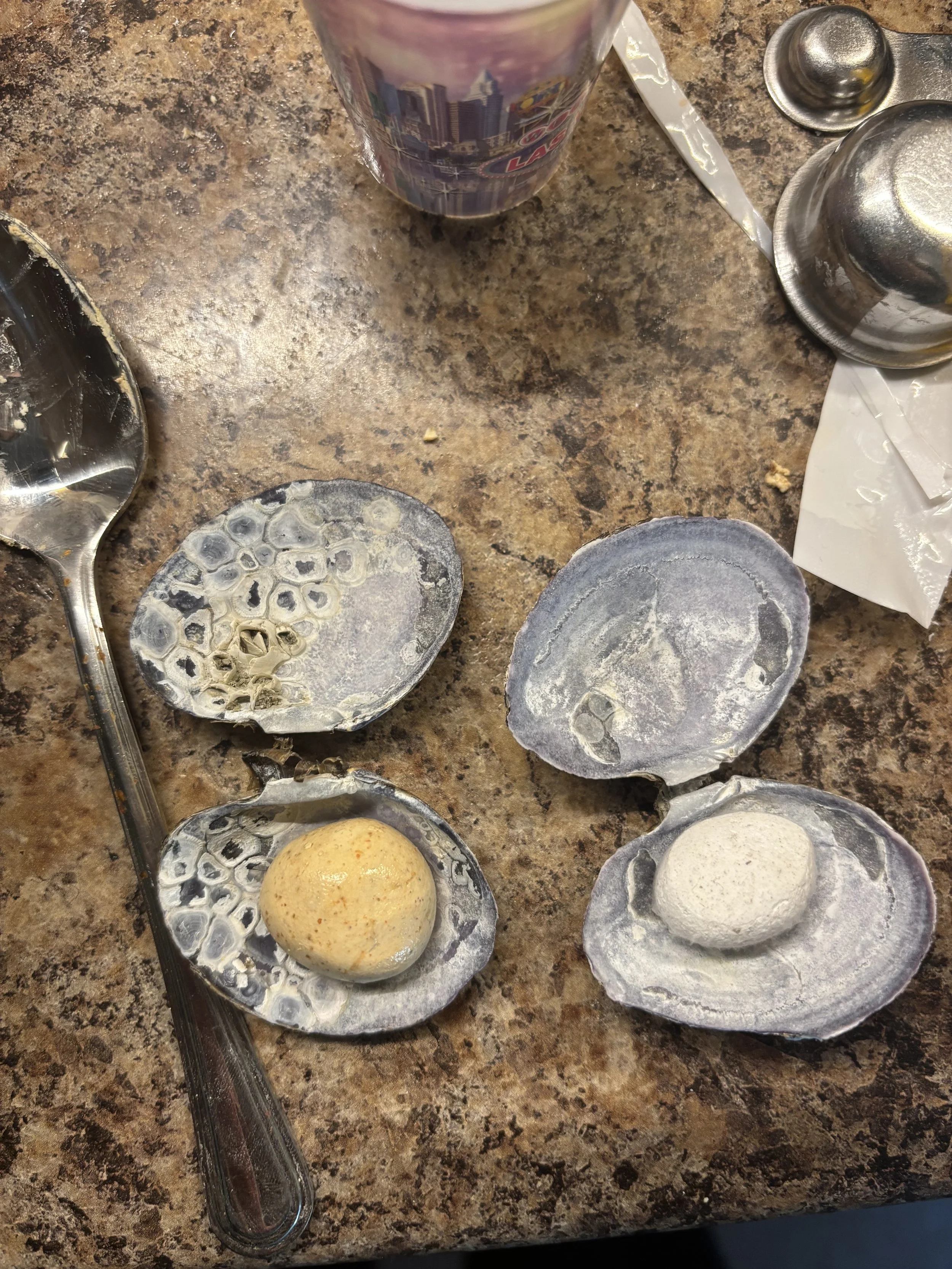
Rose hips, Calcium Carbonate, Mussel Shells, Birch wood, Twine
Diloo - Michif for water
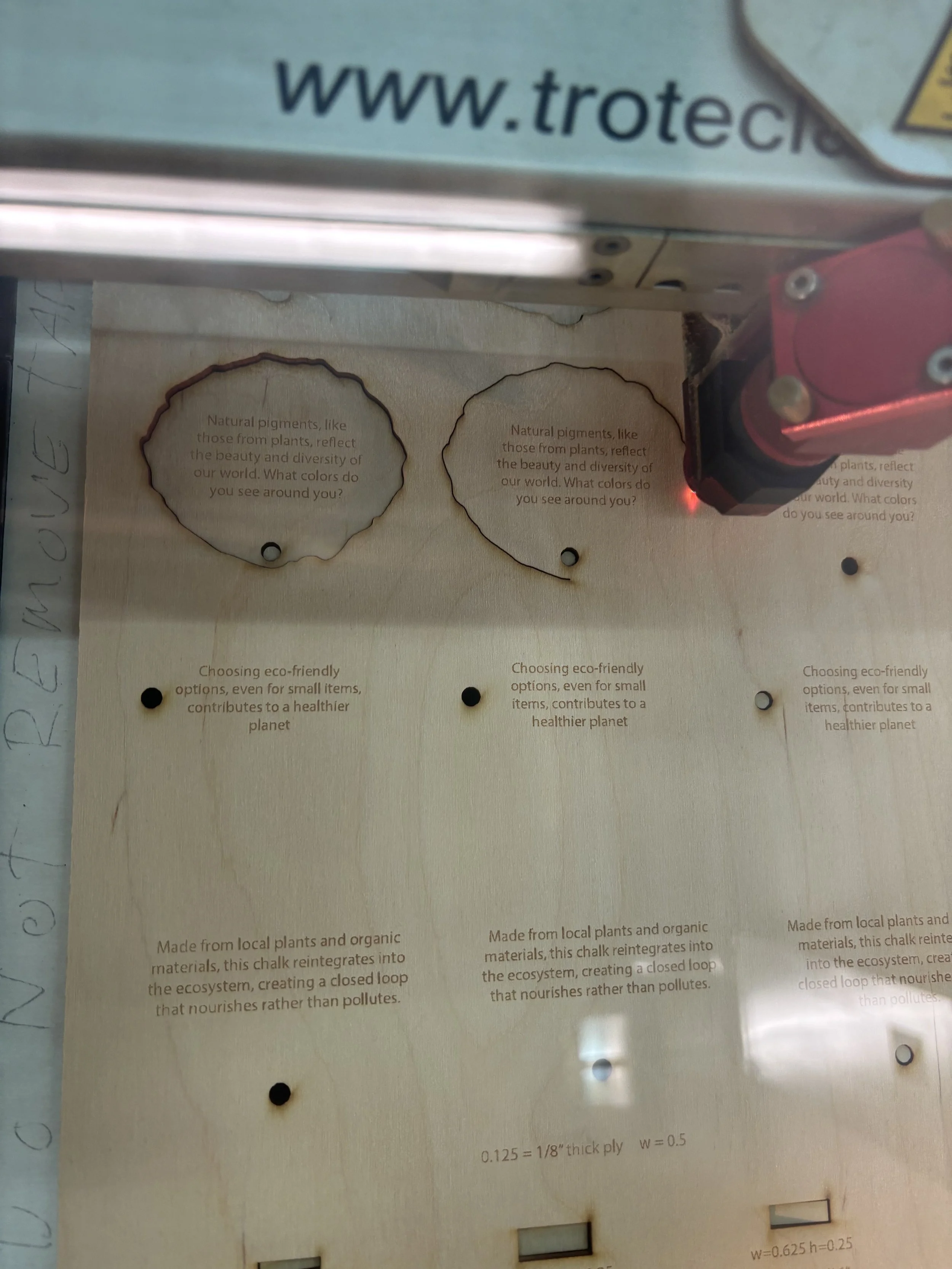
At Dilo’s Edge is a study in sustainable materials and their potential for expression. By combining locally-sourced rosehips, mussel shells, and birch wood, the project challenges conventional material knowledge and investigates how wood can harmonize with other natural elements. Inspired by Indigenous teachings from Mimi Gellman (Anishinaabe Métis) and Leo Vicenti (Jicarilla Apache), it serves as an ode to culture while inviting interaction, reflection, and playful engagement. The piece encourages users to connect with the materials and process, creating a meaningful, tactile experience that blends making, storytelling, and thoughtful design.
Process
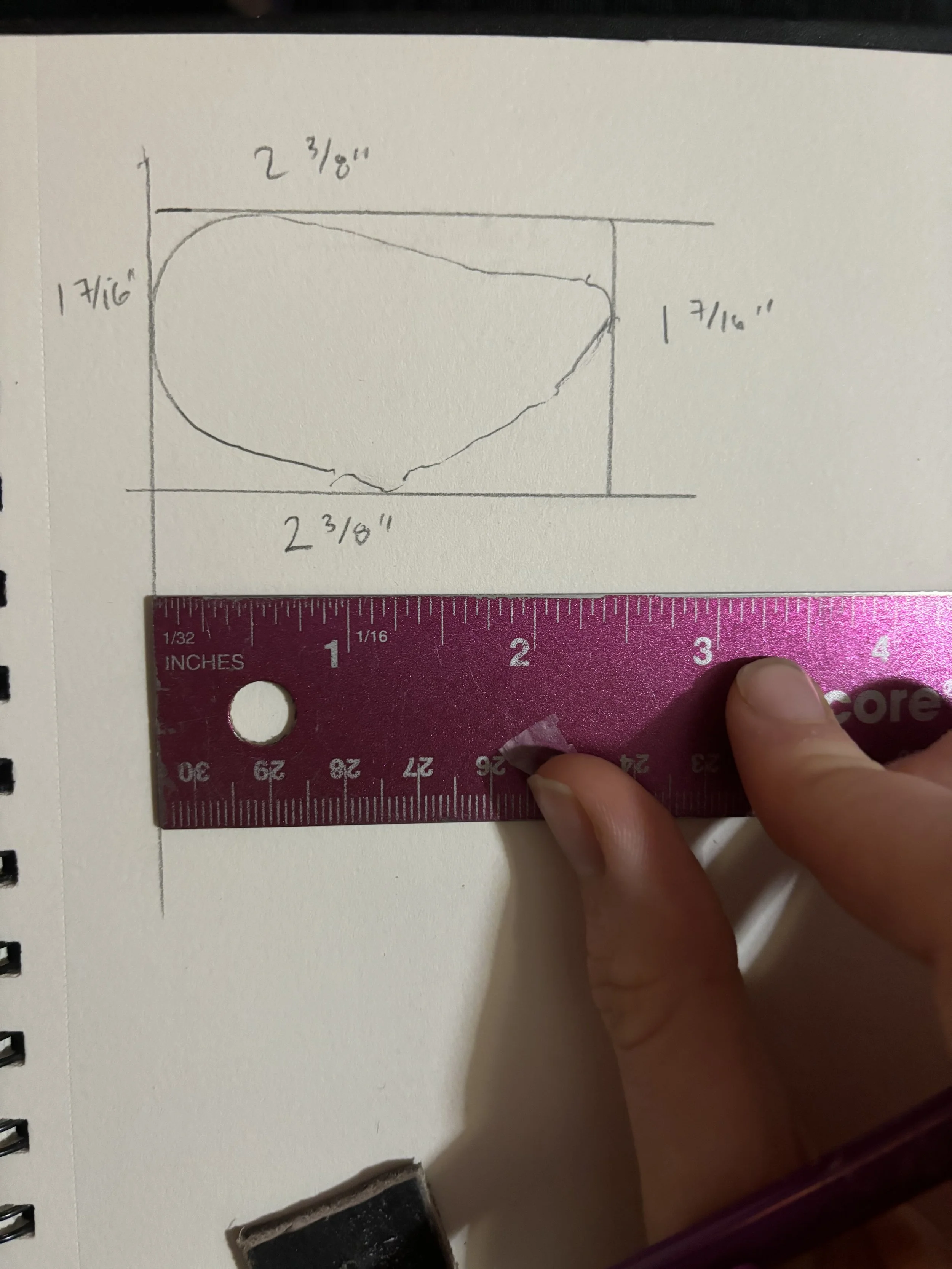
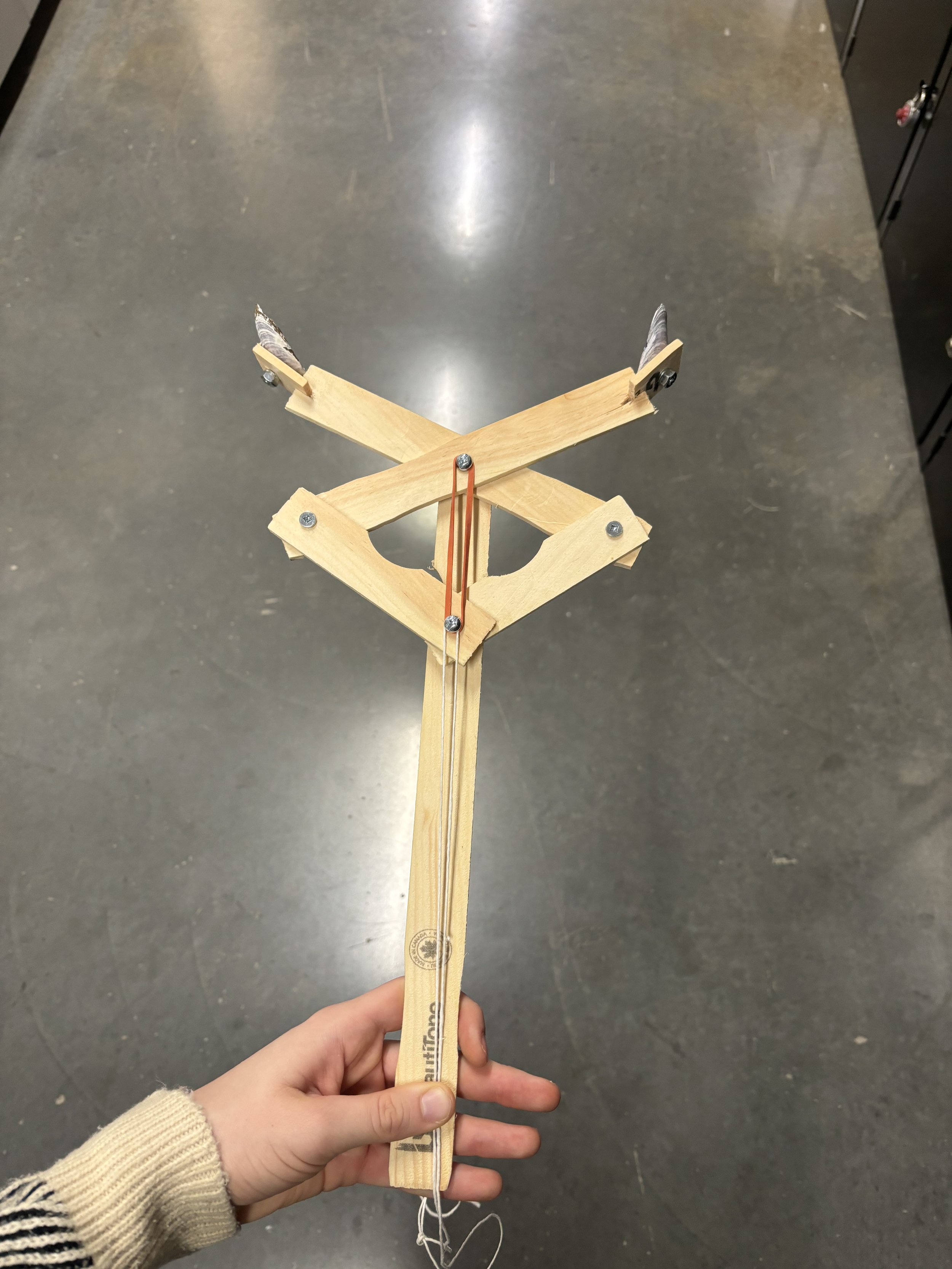
Beginning with research and sketching I began to explore and observe behaviours and environments of the false creek area. I began with a small amount of pigment testing and making a reach extender for cleaning up garbage in the area.
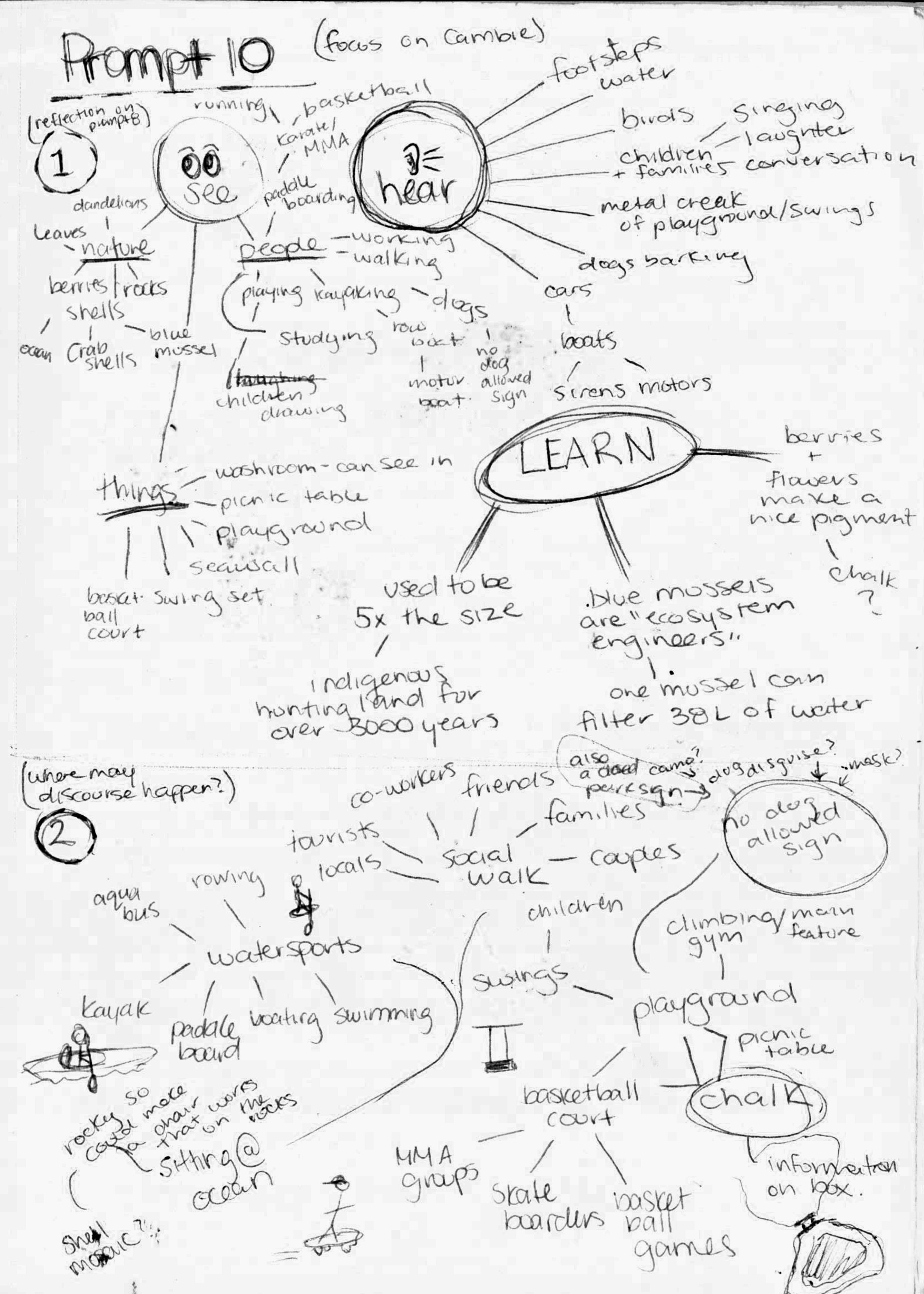
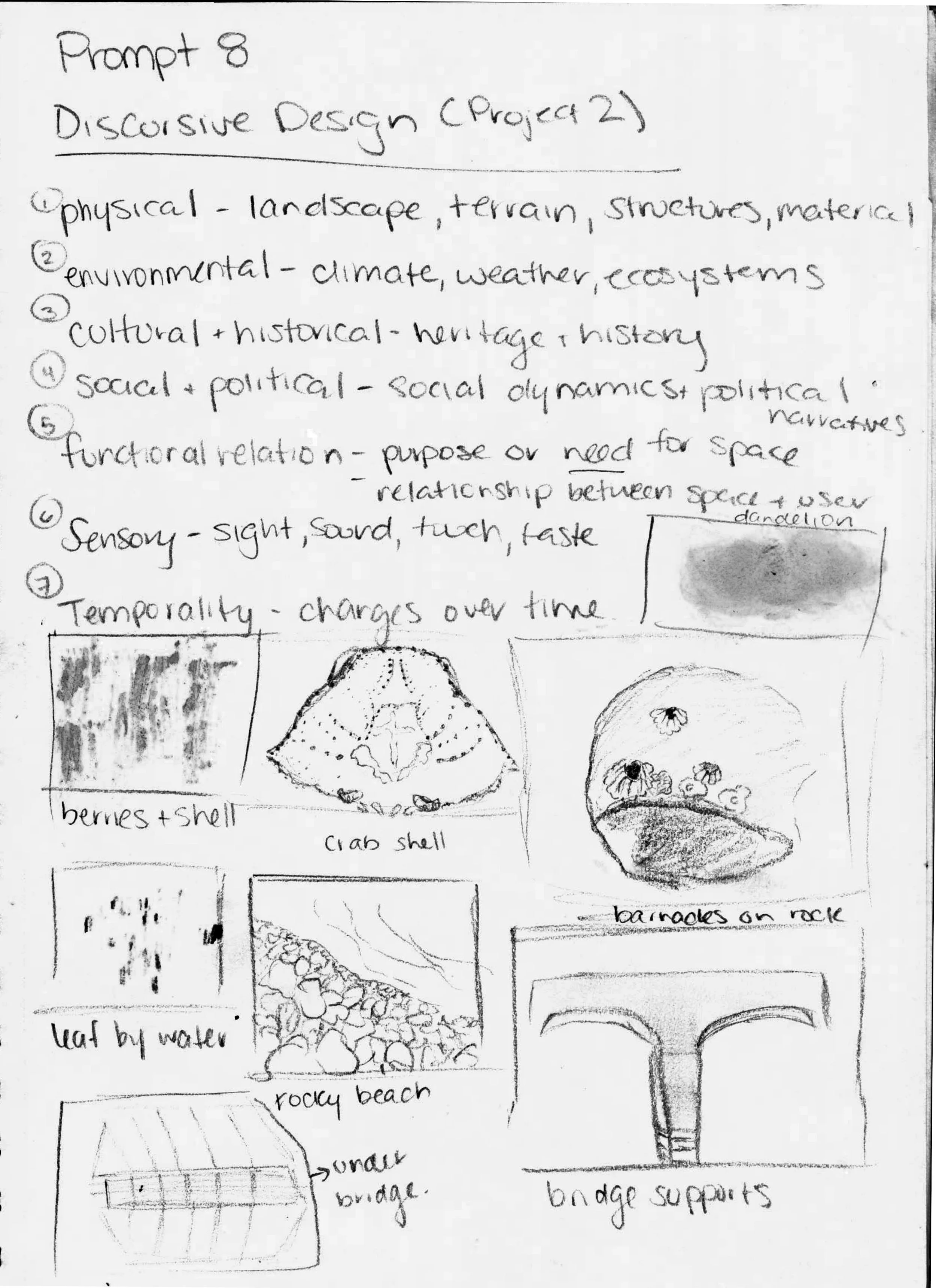
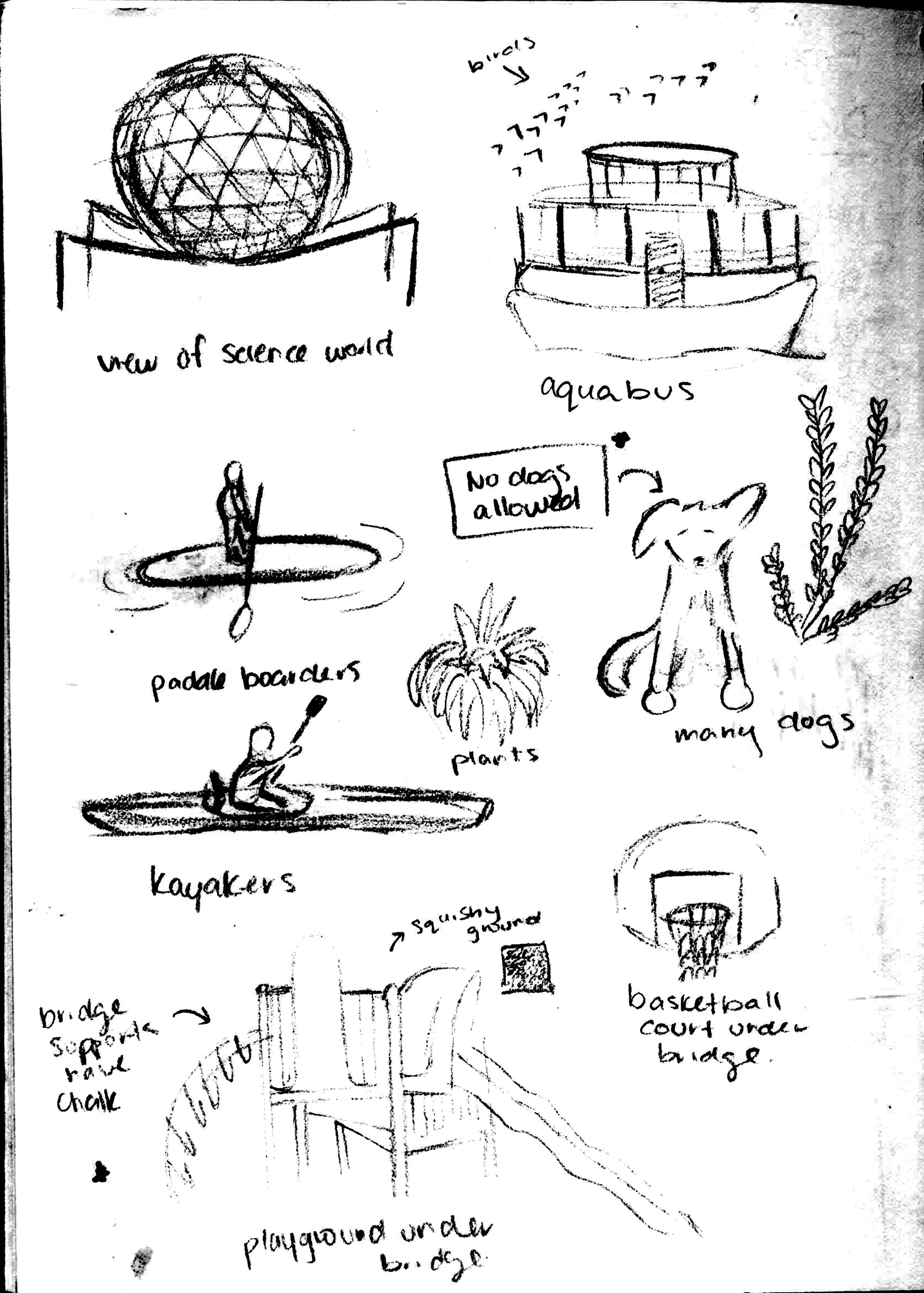
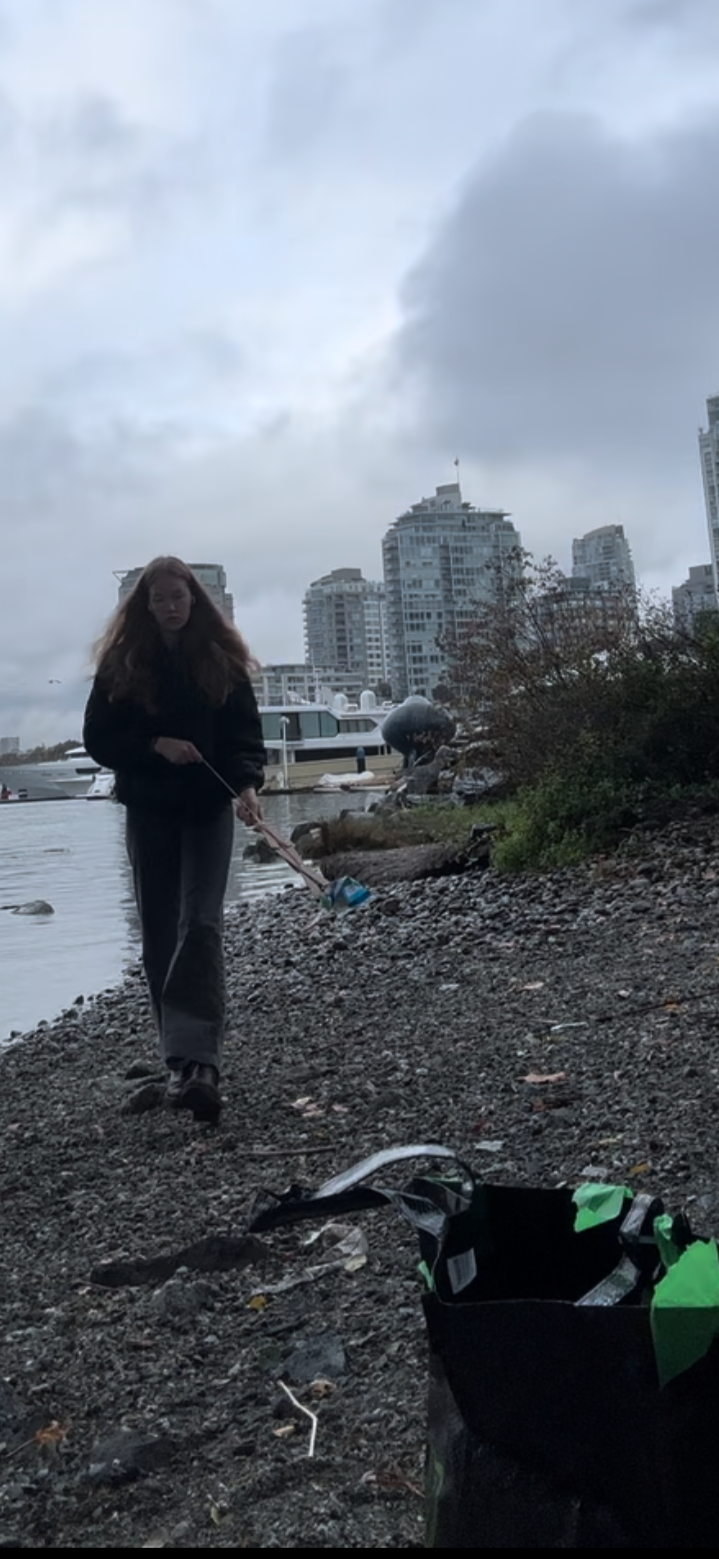
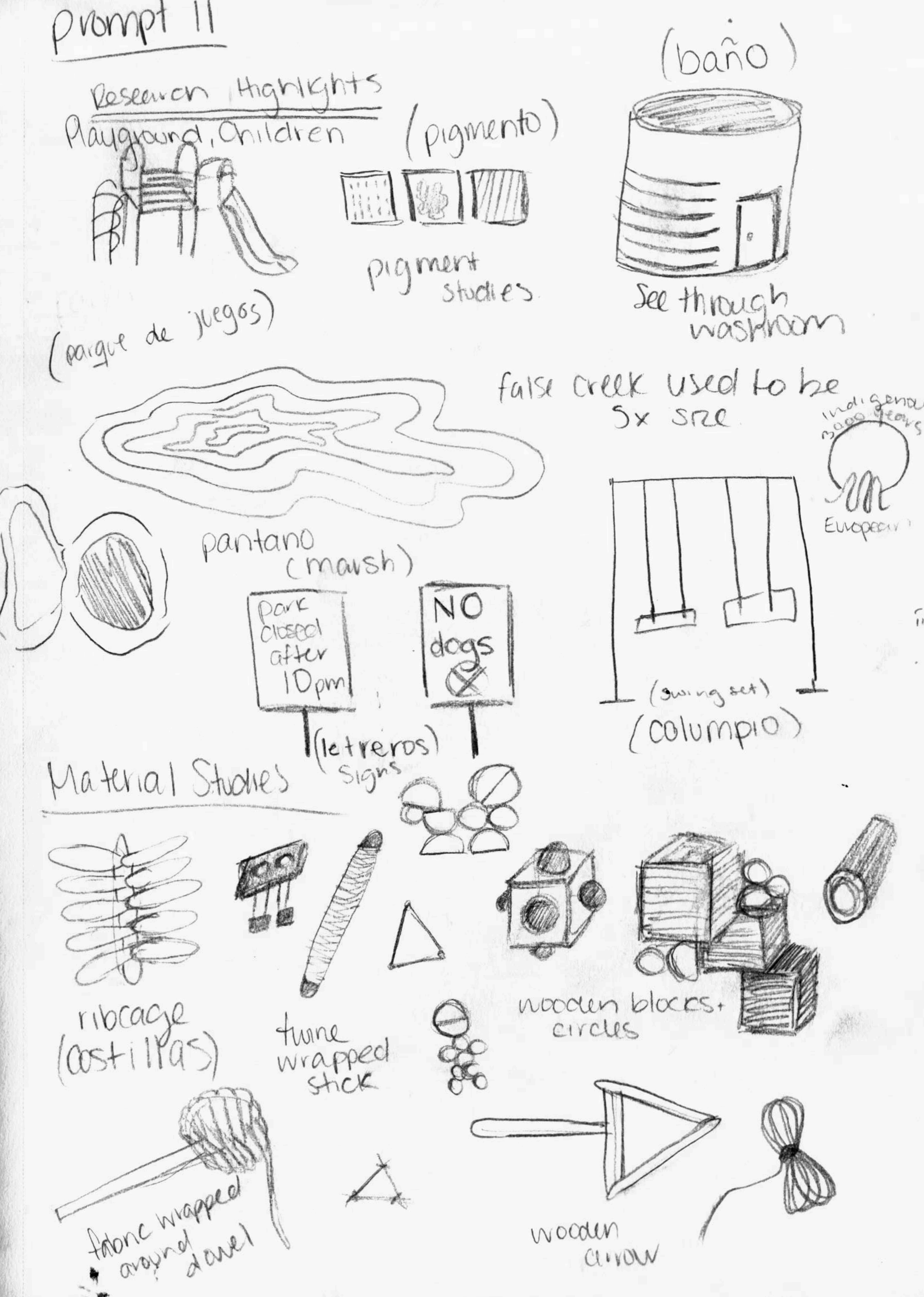
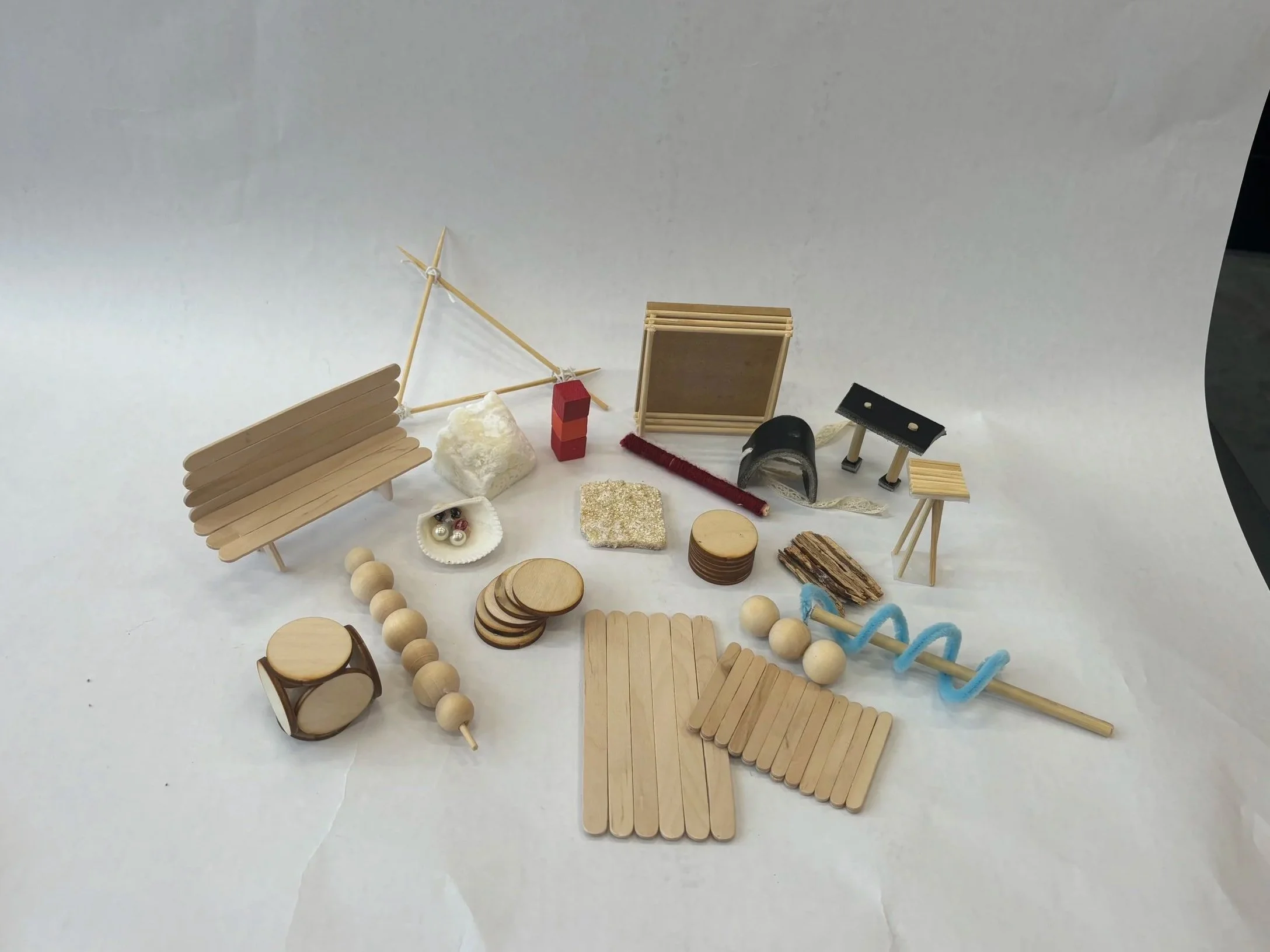
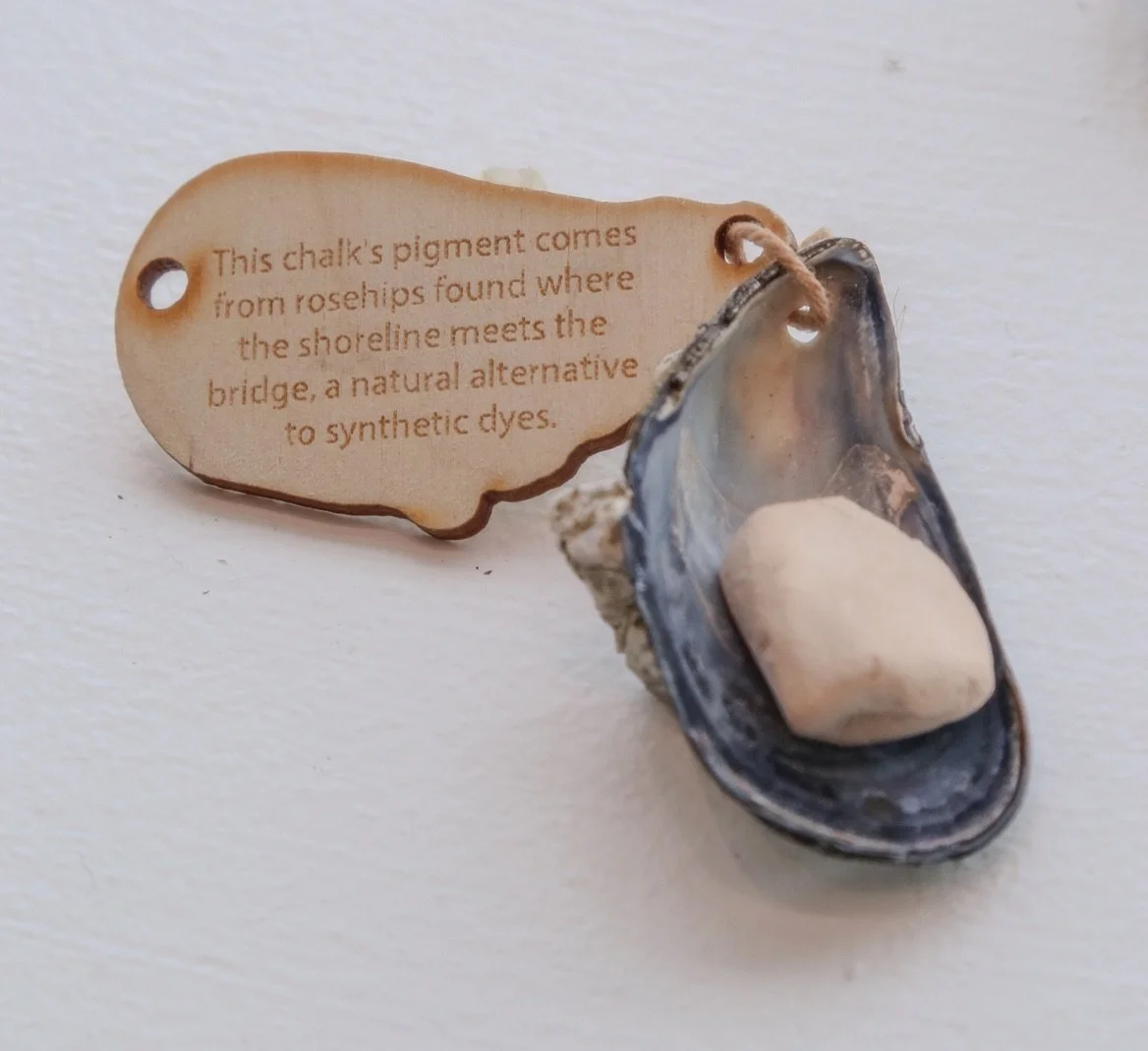
Inspired by indigenous pigment practices taught to me by Mimi Gellman (Anishinaabe Métis) and Leo Vicenti (Jicarilla Apache), this project was a way for me to learn more about my emits ancestry while also bringing awareness to the history of the land. I started with a material study, making whatever came to mind using what I had around me. After visiting the site, Coopers Park in Vancouver, BC, I began exploring which natural materials held more pigment. Although crab shells had a beautiful colour, they didn’t release much pigment once ground and mixed with a binder. The rosehips, however, carried far more colour. I also ground egg shells, removing the inner membrane first, to create a calcium carbonate powder.
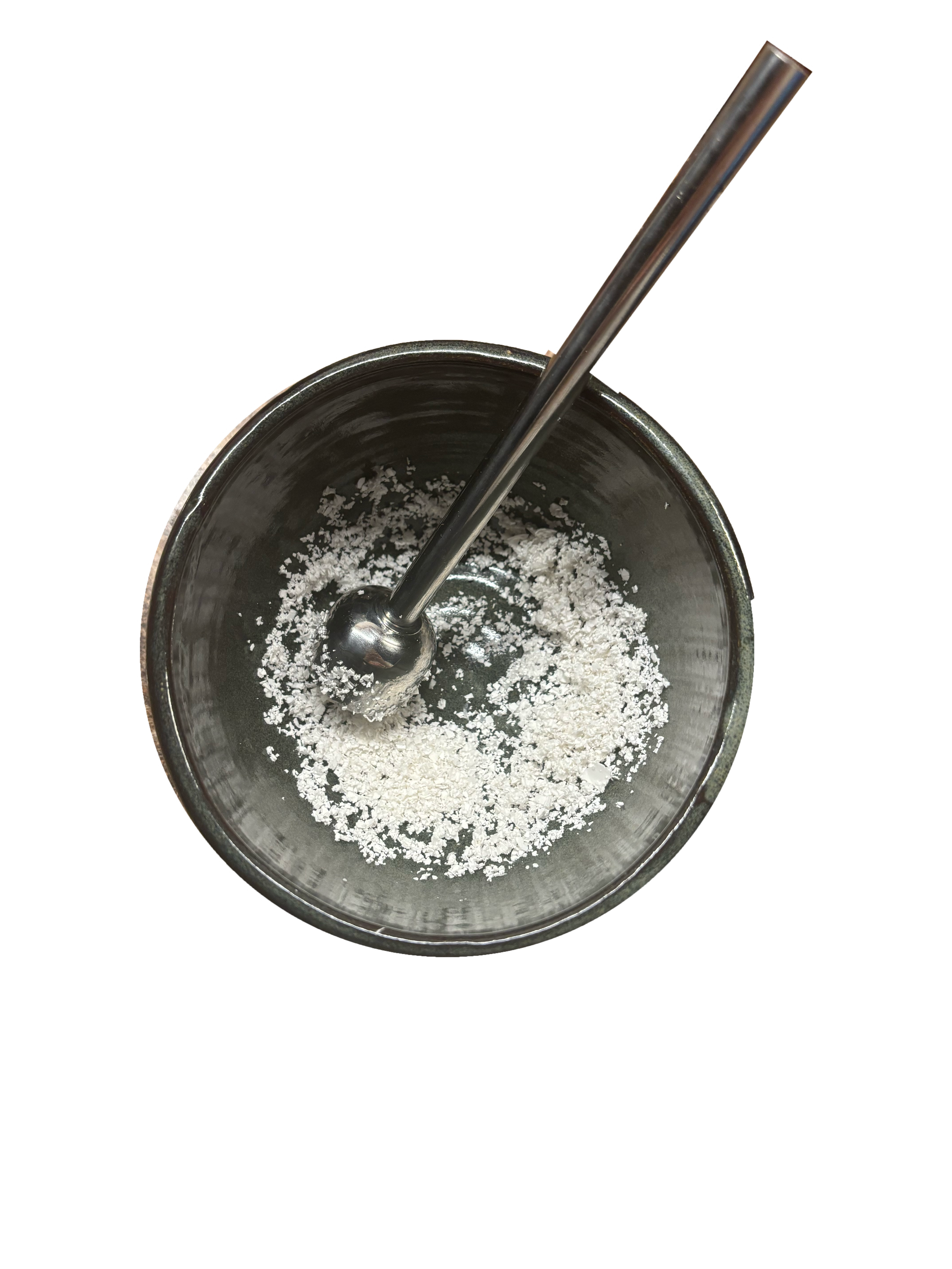
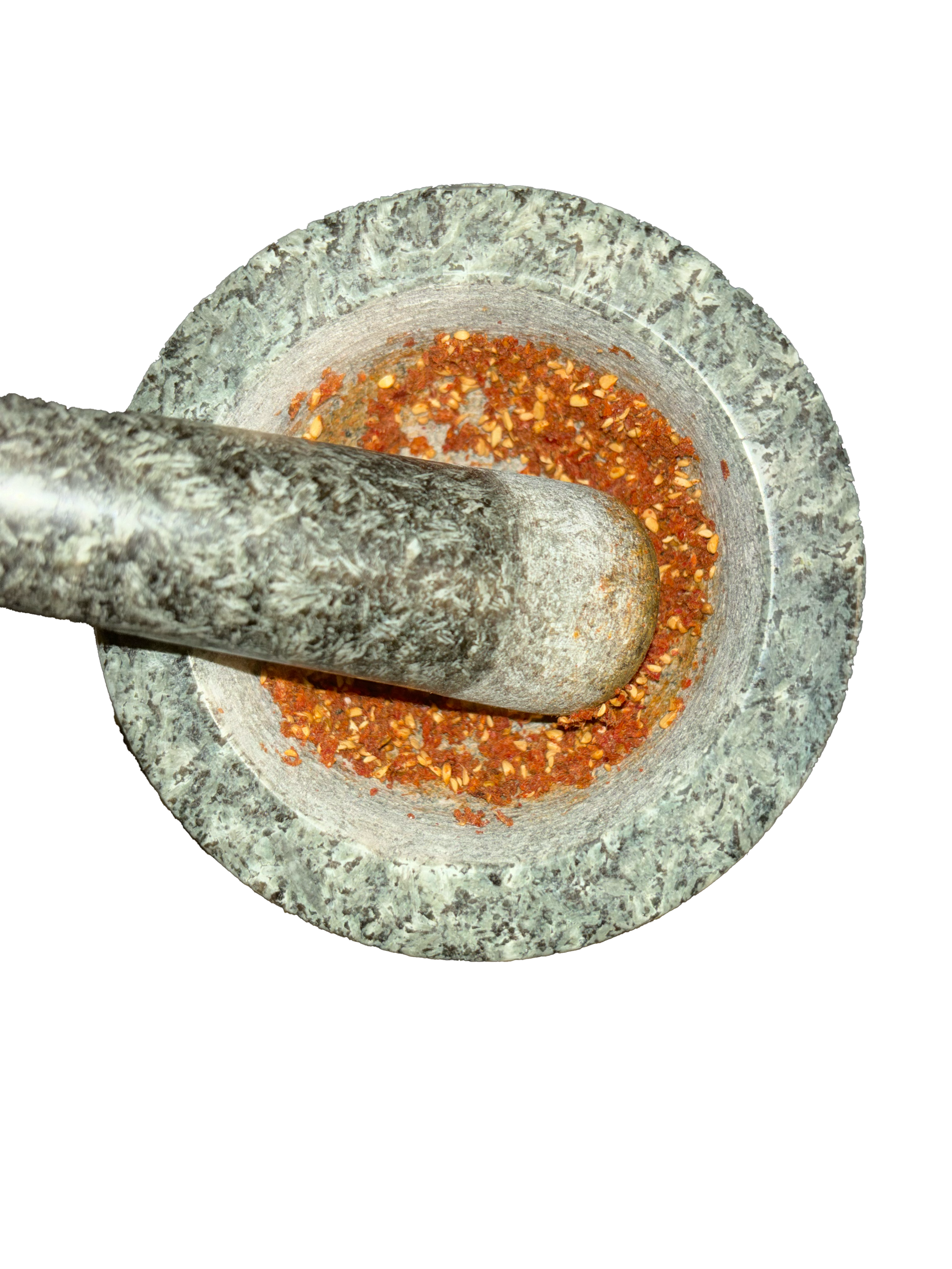
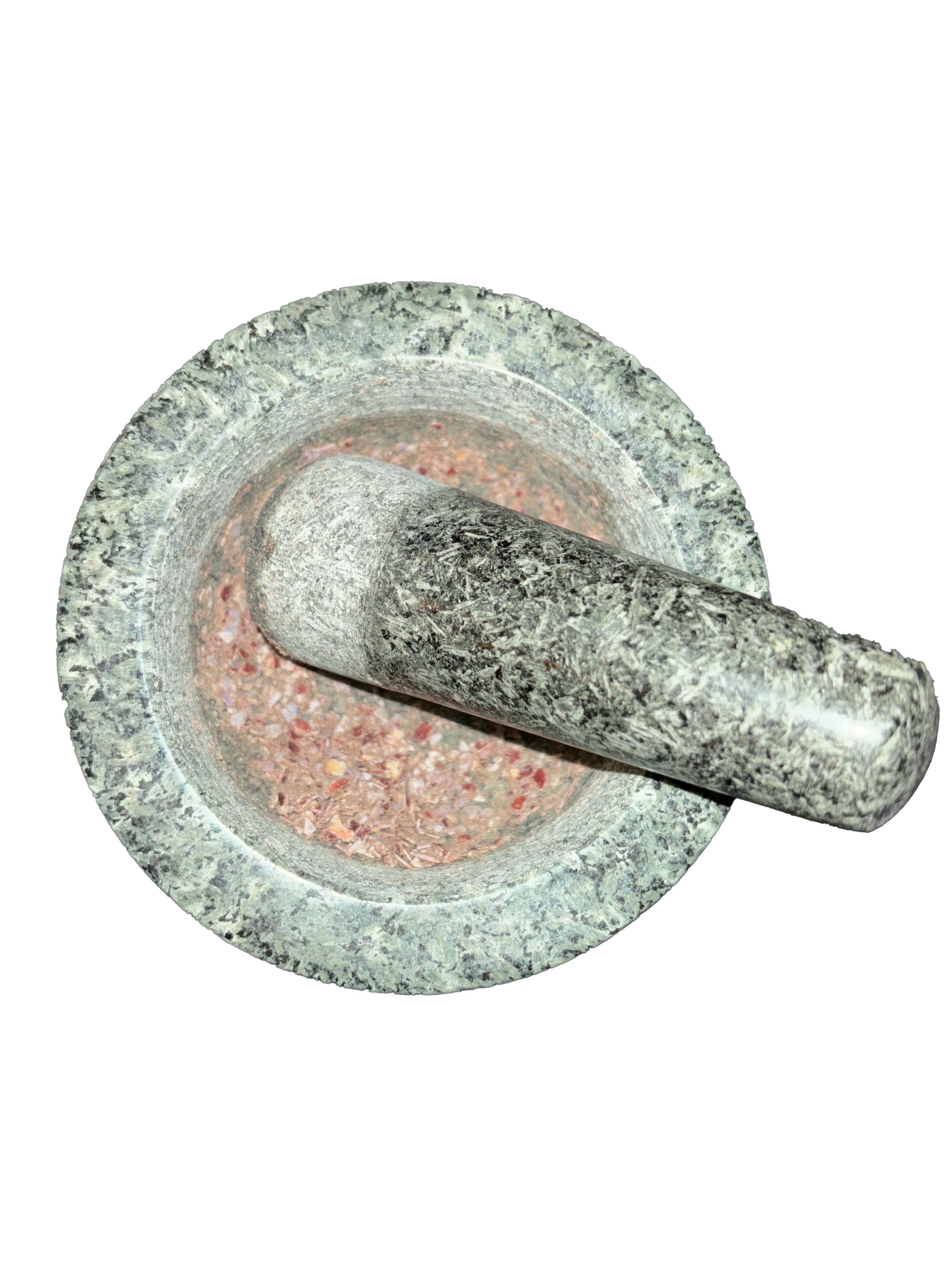
After choosing rosehips, I began experimenting with different natural ingredients for the recipe to prevent molding, while also exploring natural packaging options.
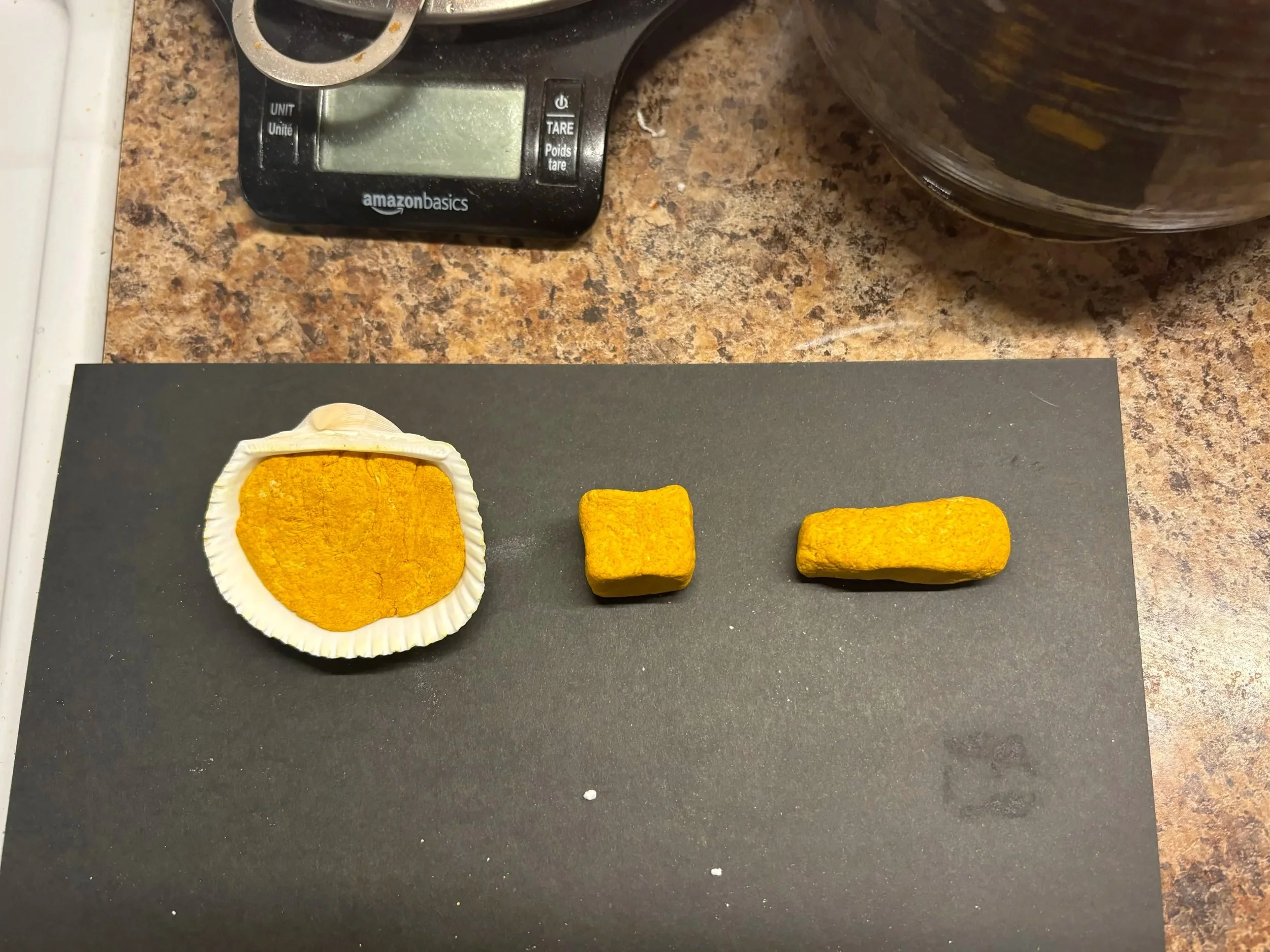
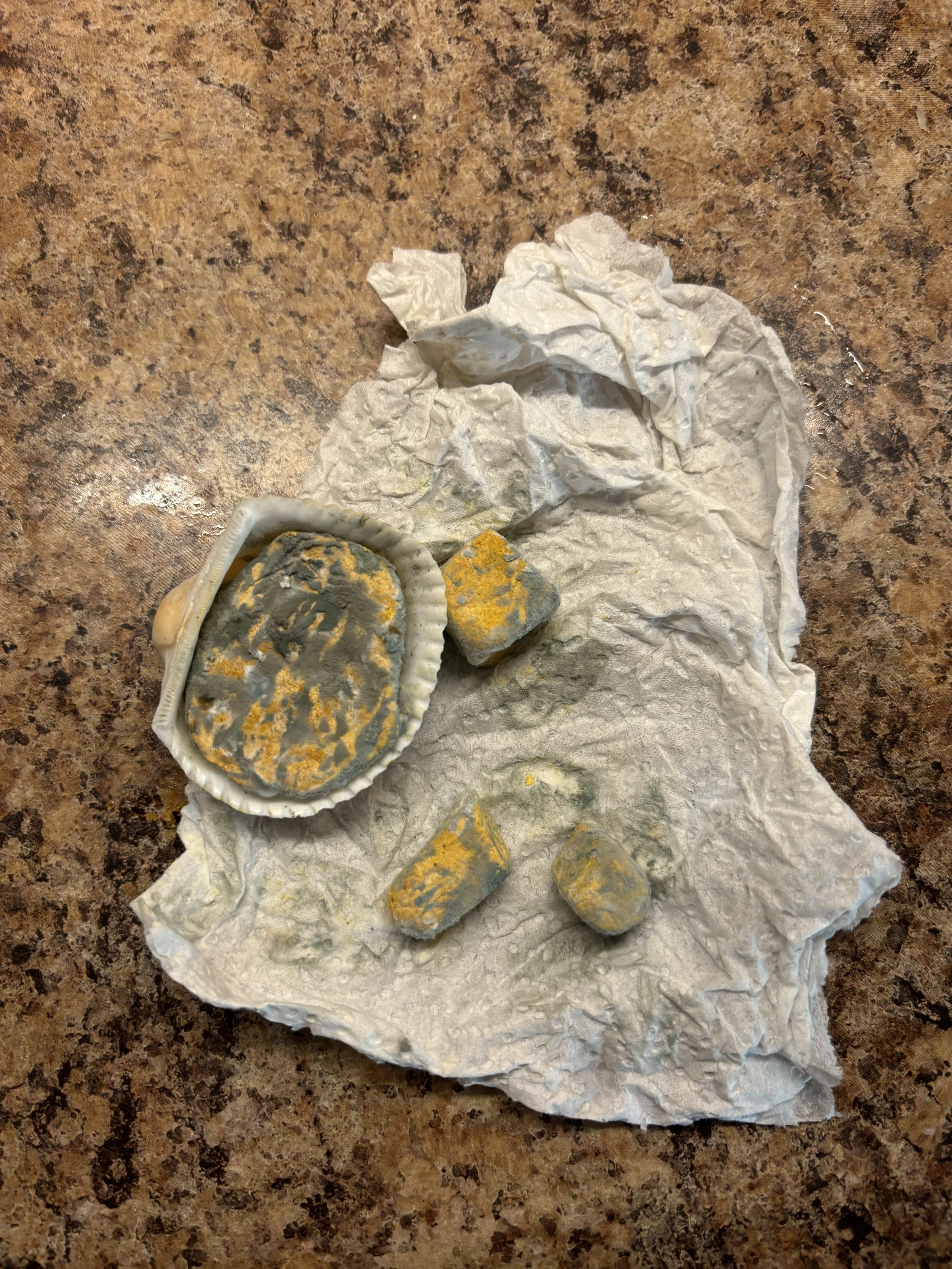
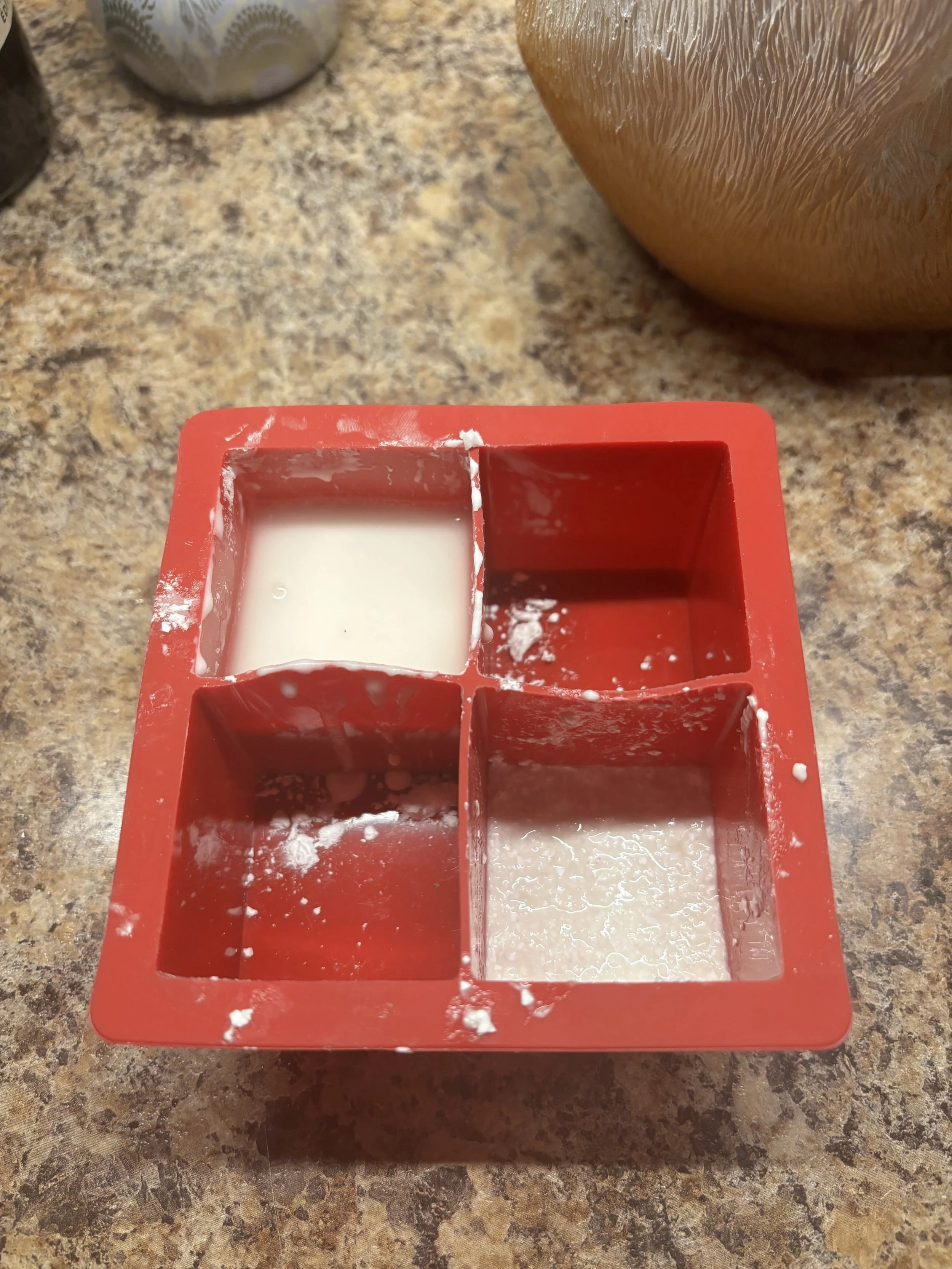
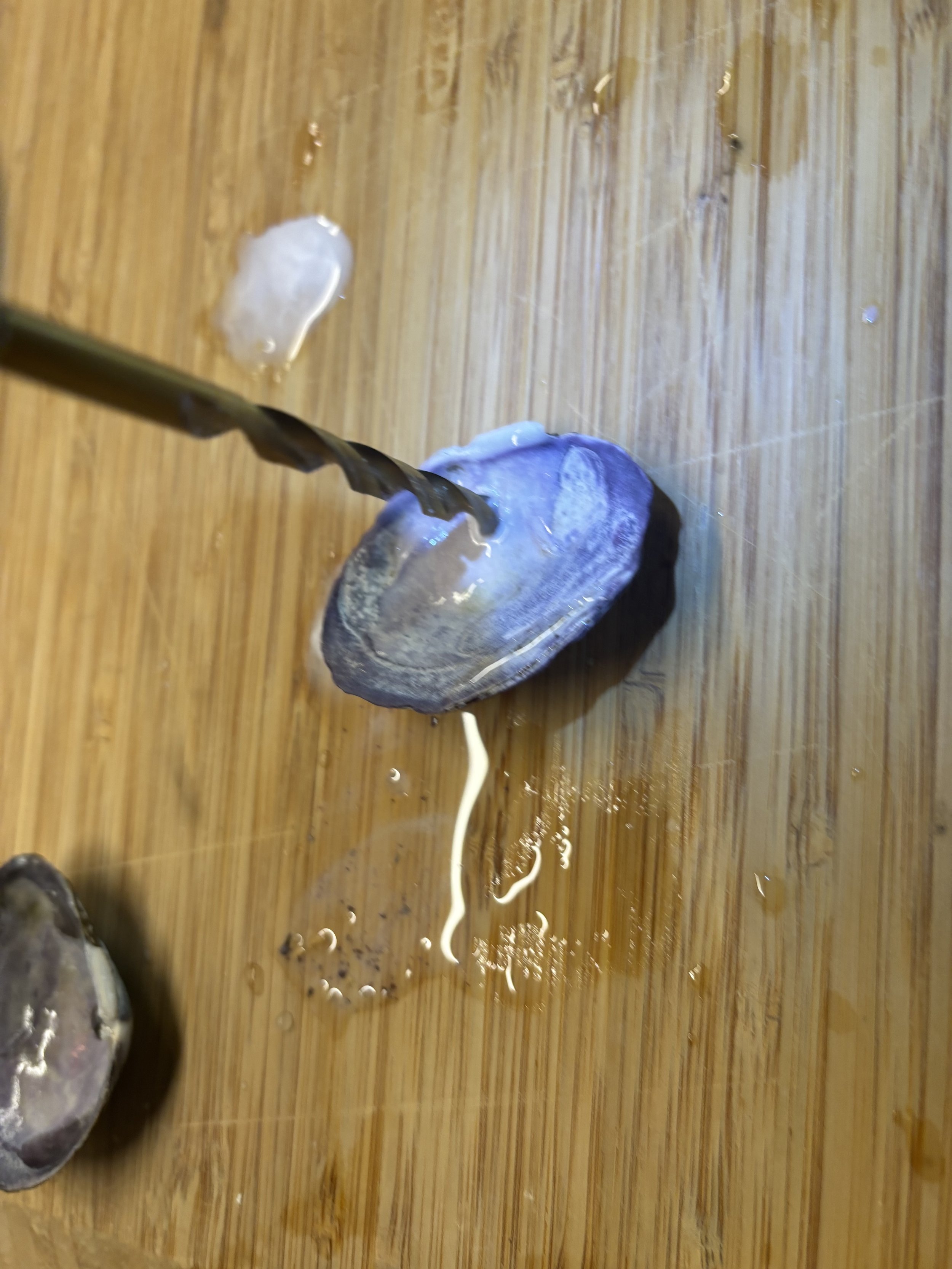
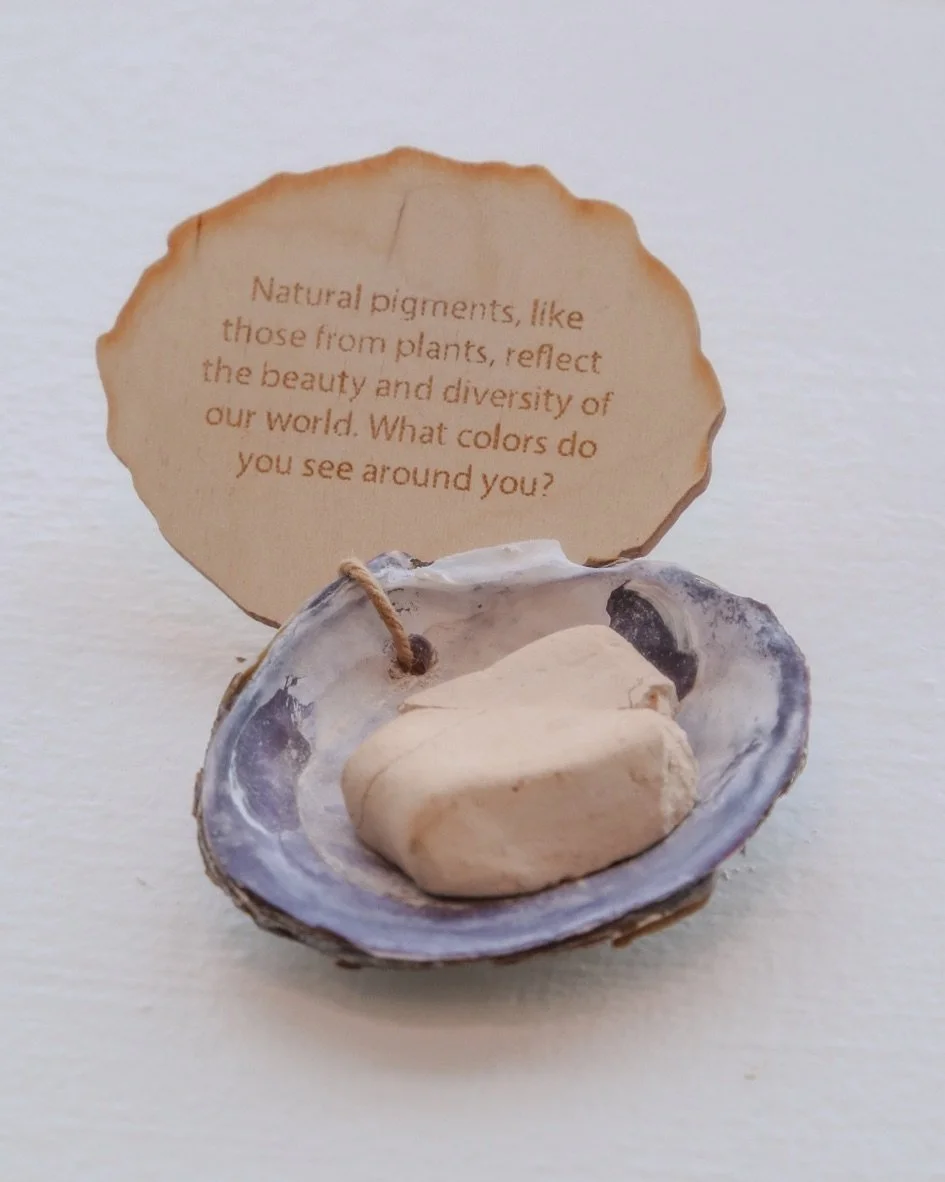
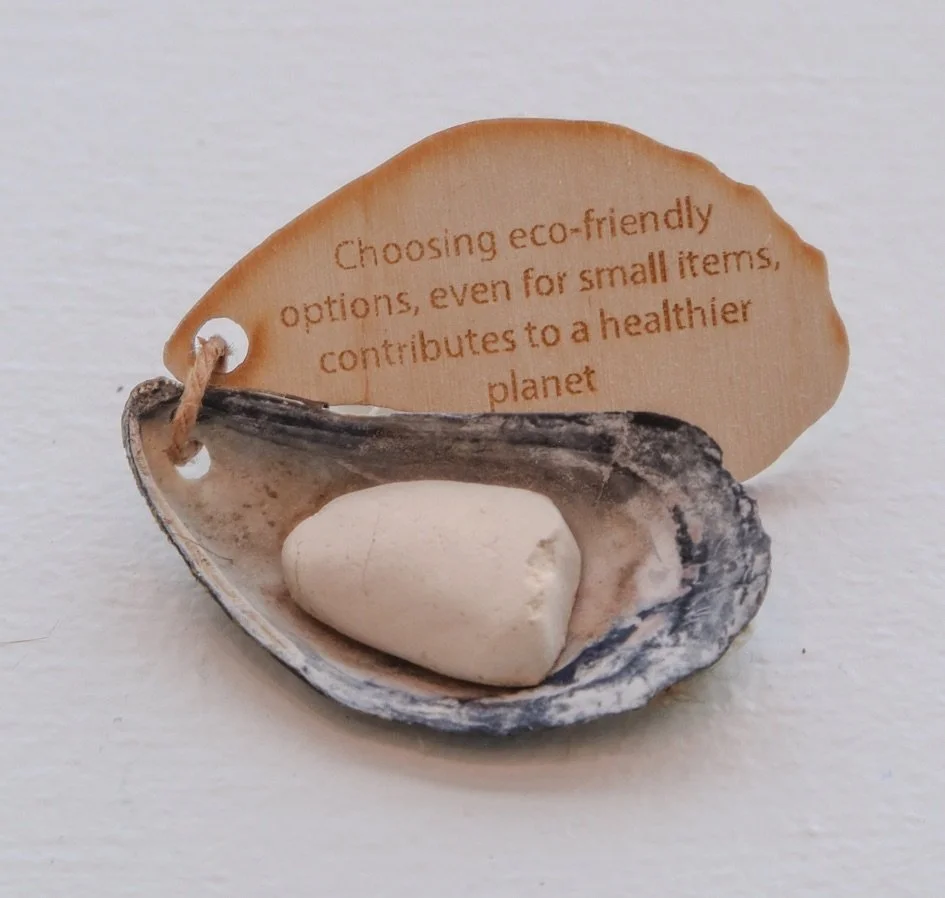
After experimenting with molds, ingredients and packaging I decided to keep the forms more organic and lightly shape them to chosen shells in which they would be placed. This creates not only individualizes each piece of chalk with none being the exact same but mirrors the symbiotic relationship between the land (rosehips) and the water (mussel shells)